
Cart (0)
Your cart is empty
A portable, rechargeable night light follows your child from the living room to the bedroom, and from home to Grandma's. No trailing cable, no socket to find behind the bed.

CE and RoHS compliant

Gentle light

LEDs that stay cool
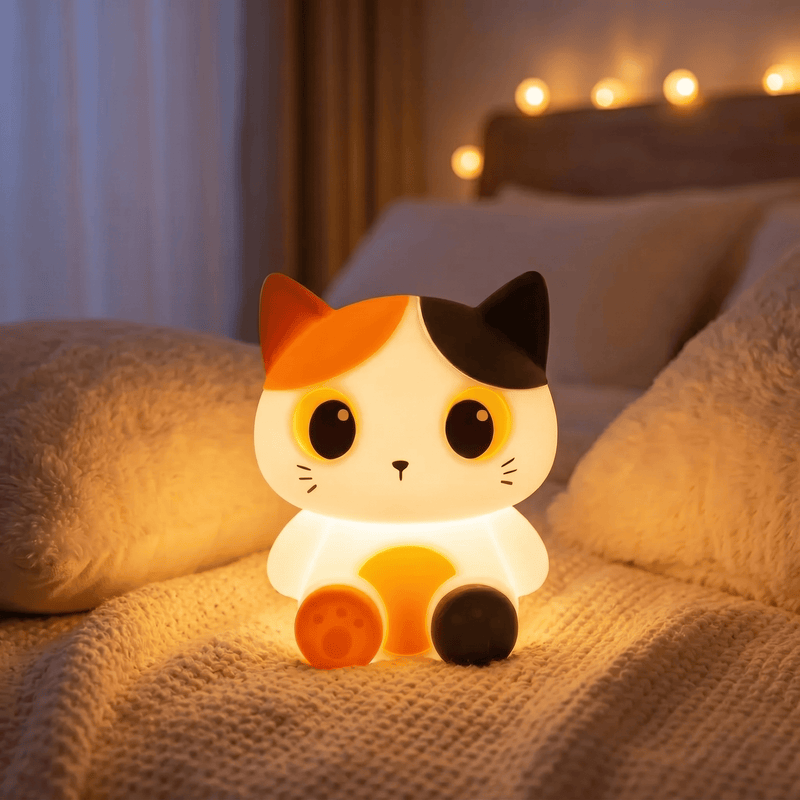
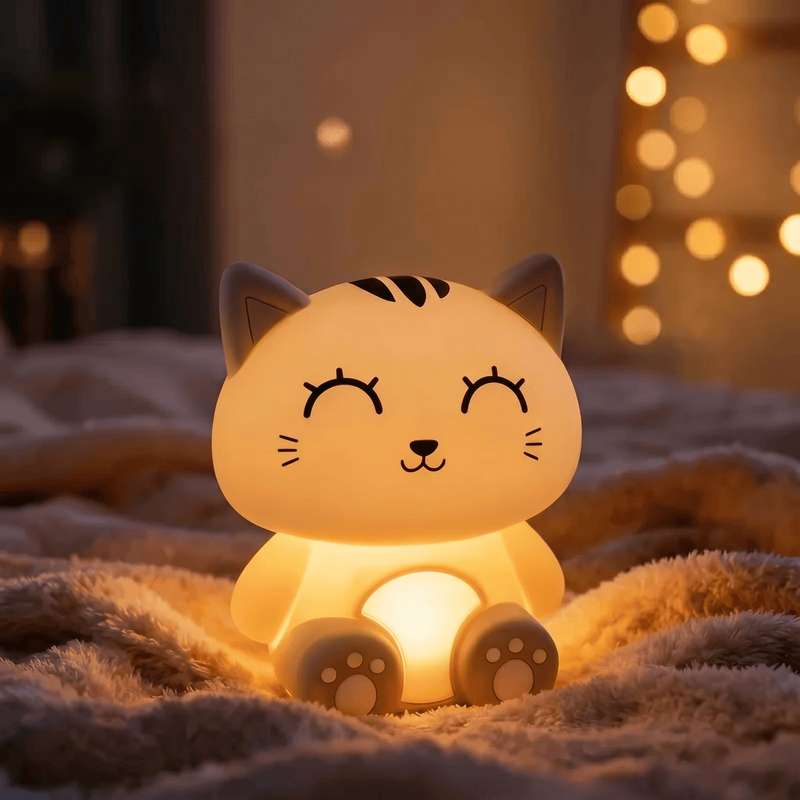
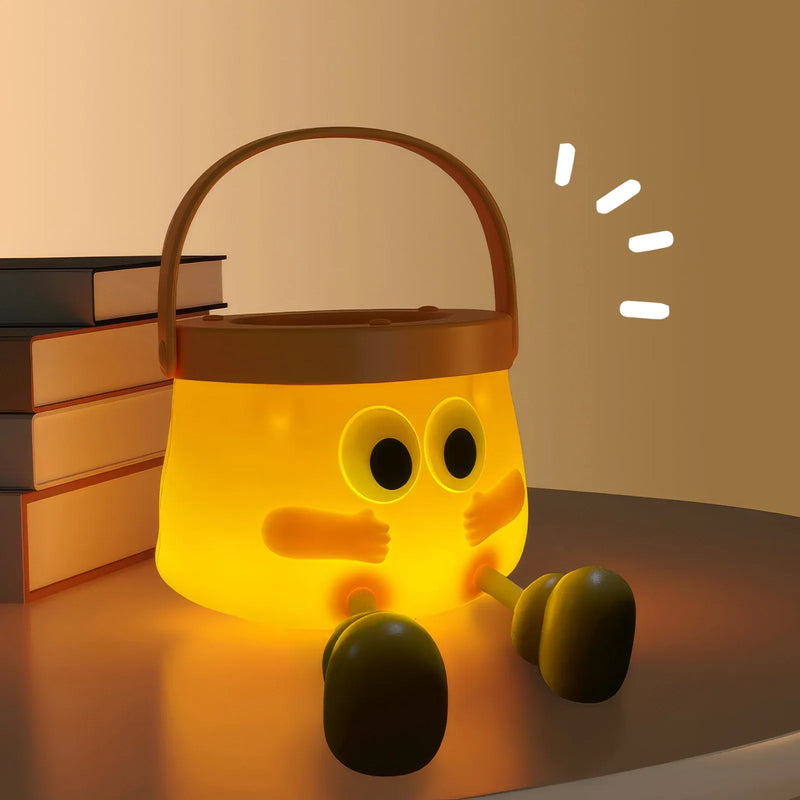

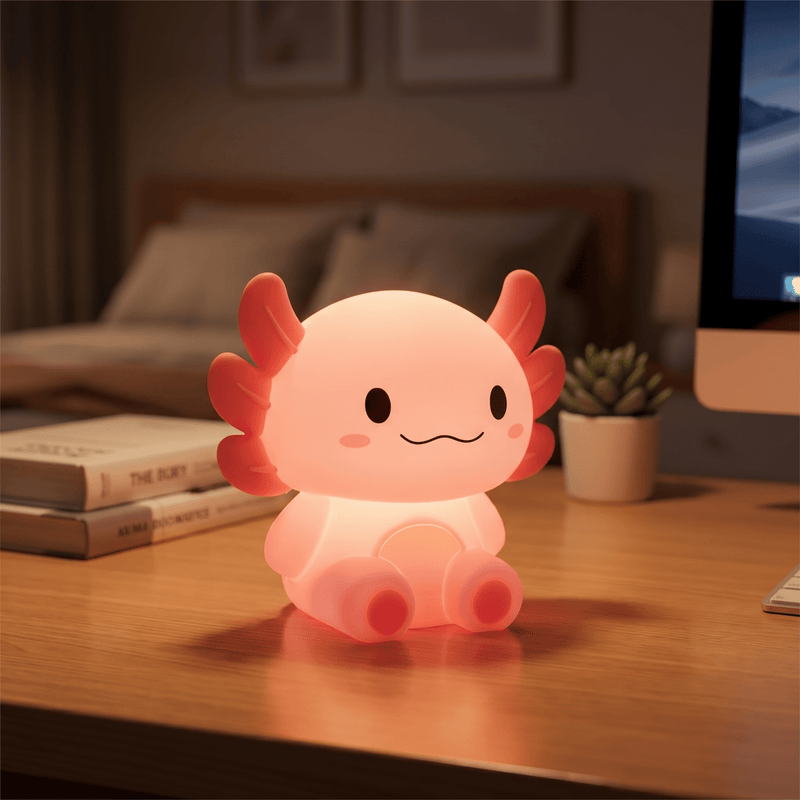

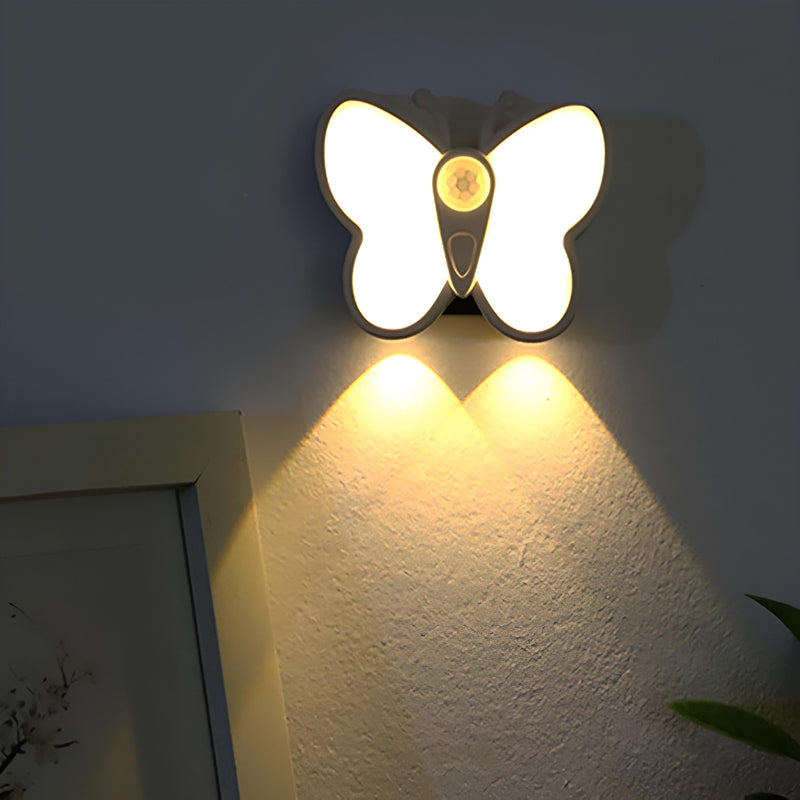
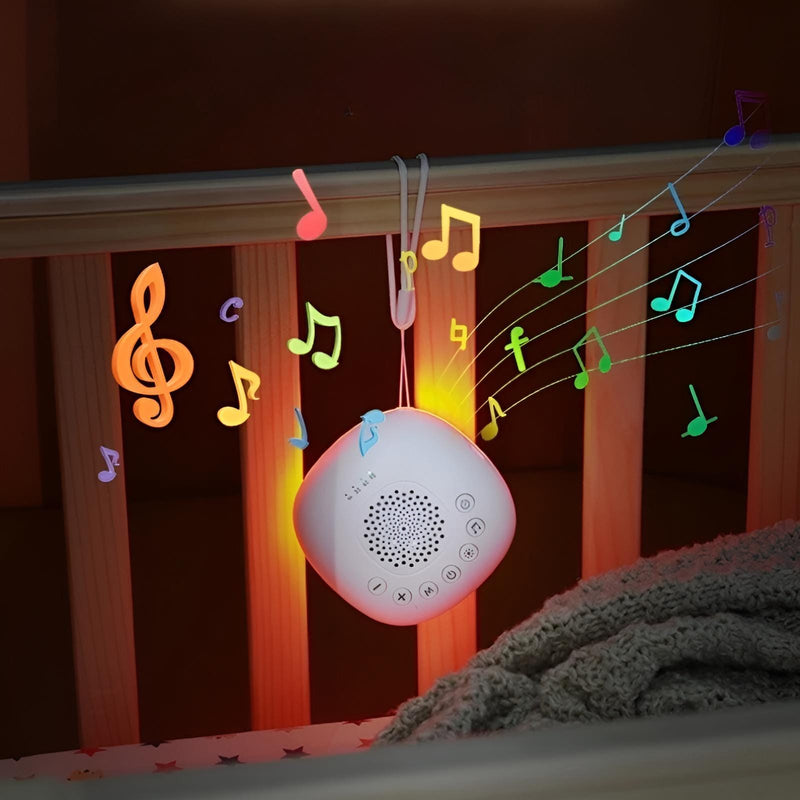
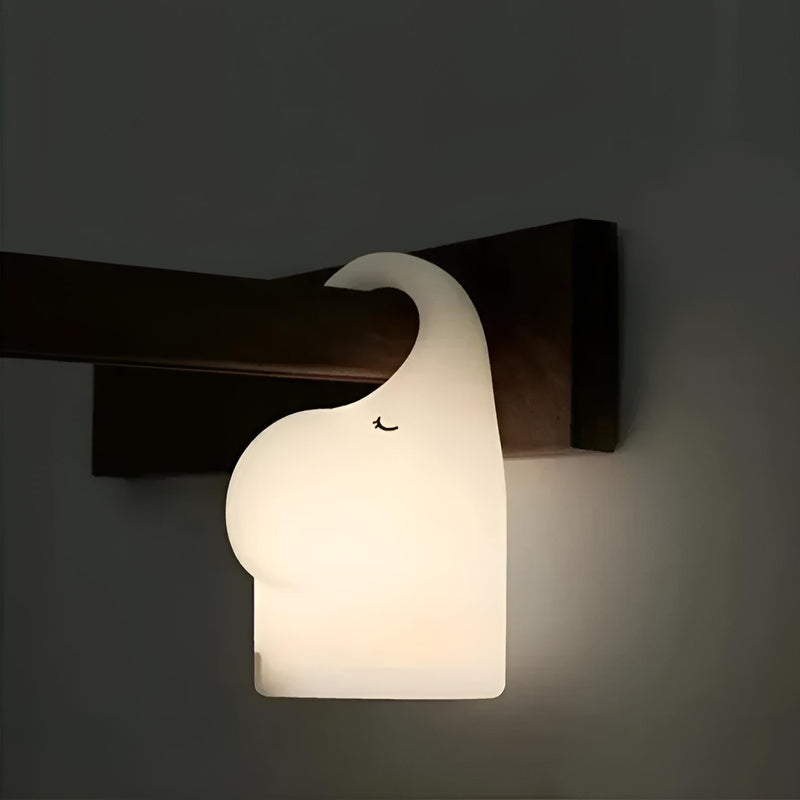
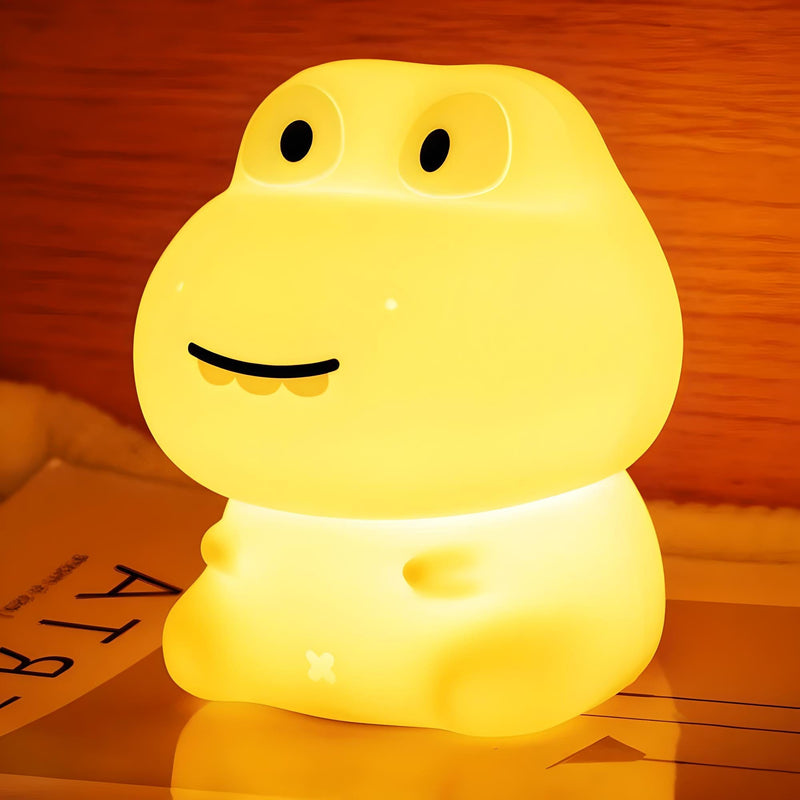
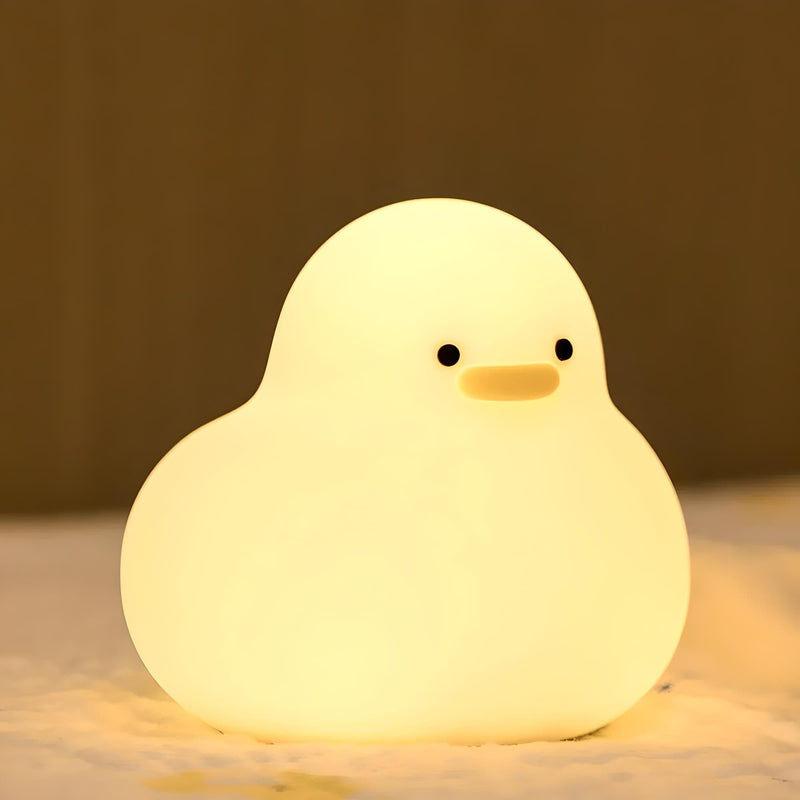
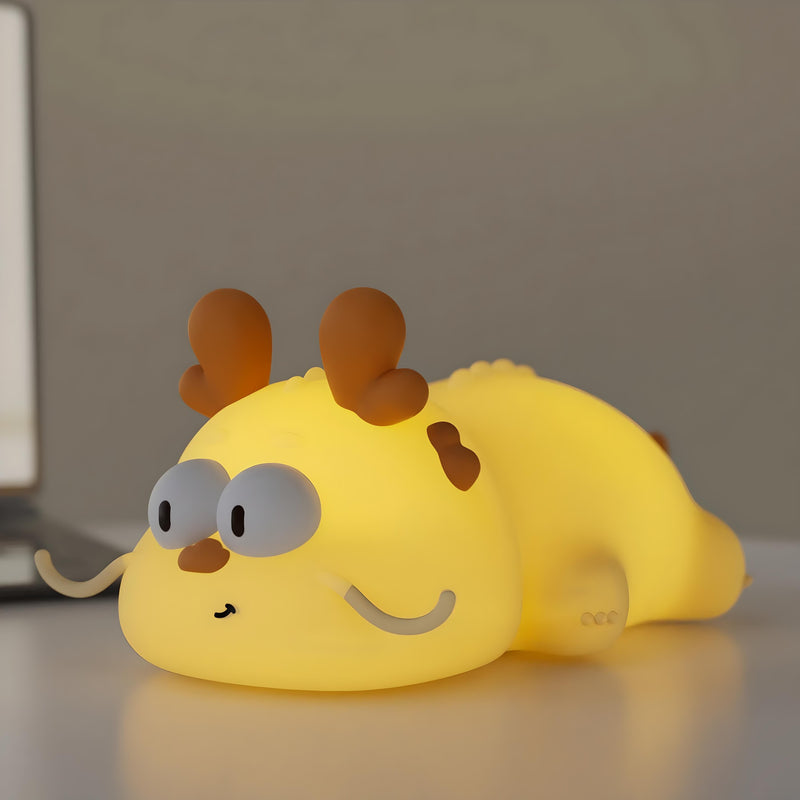


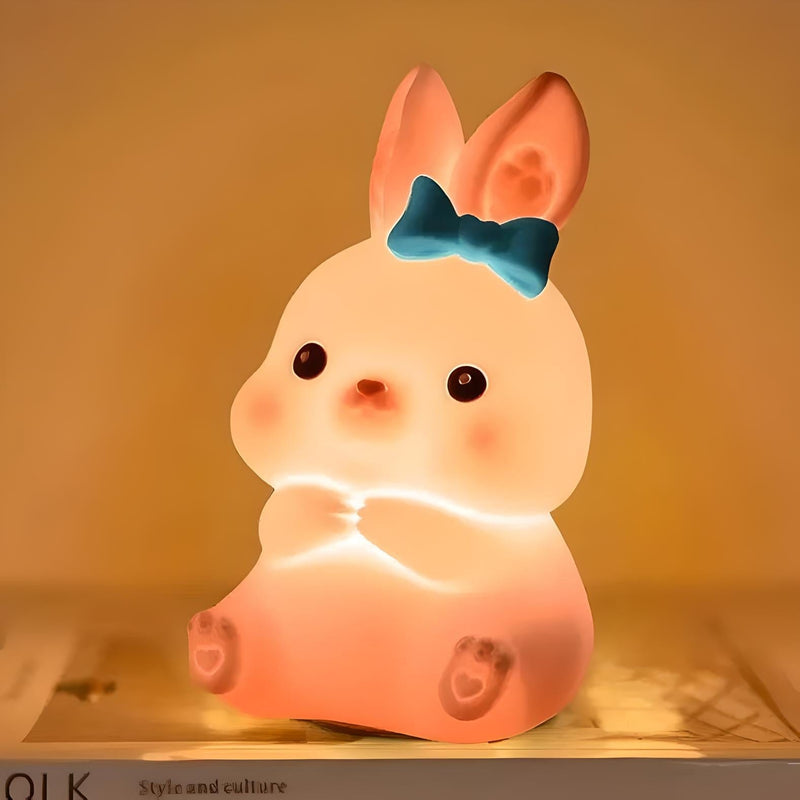
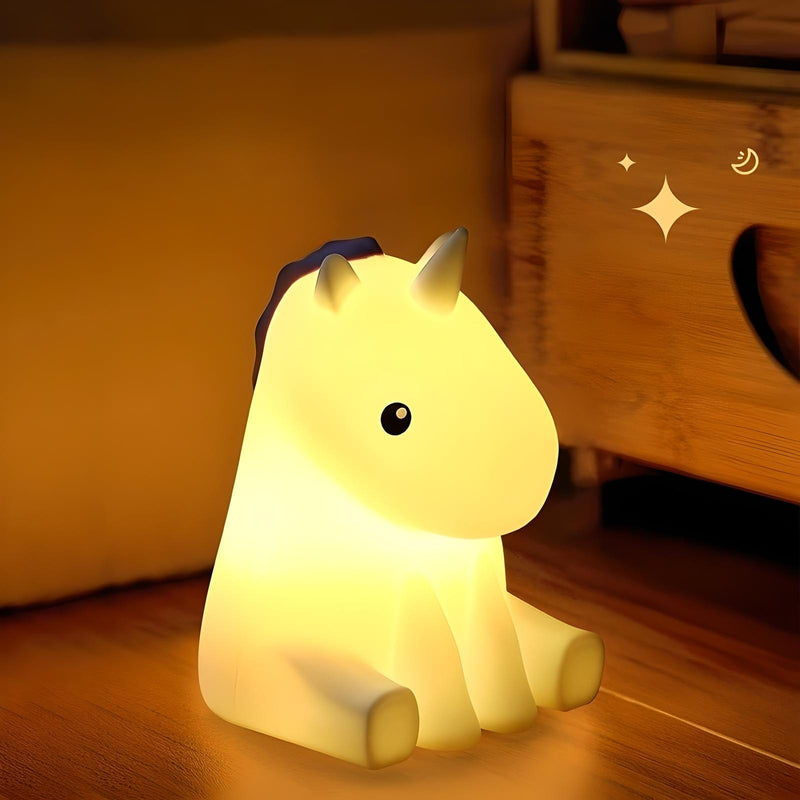
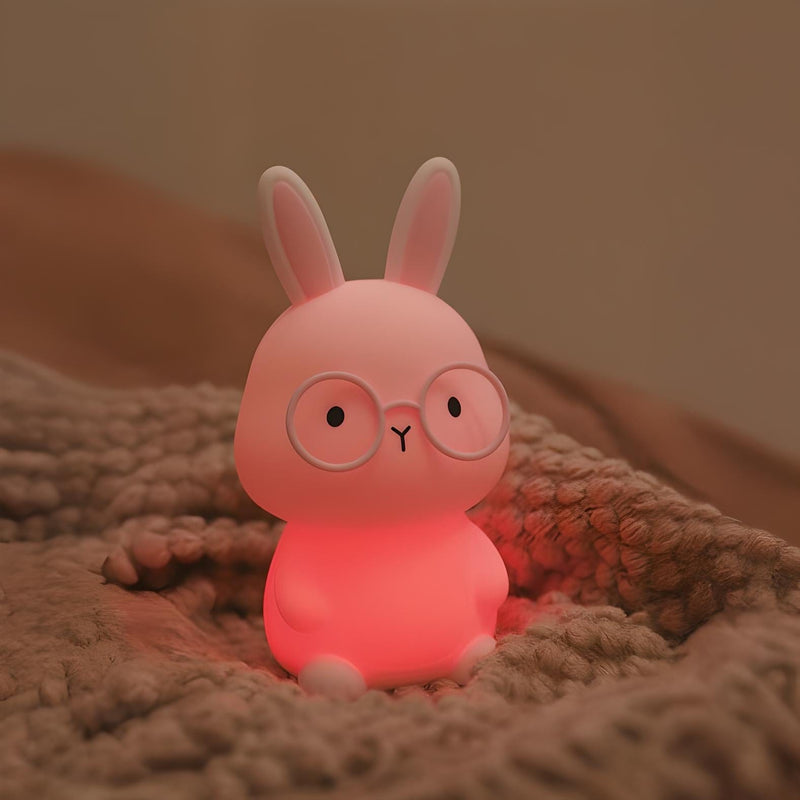
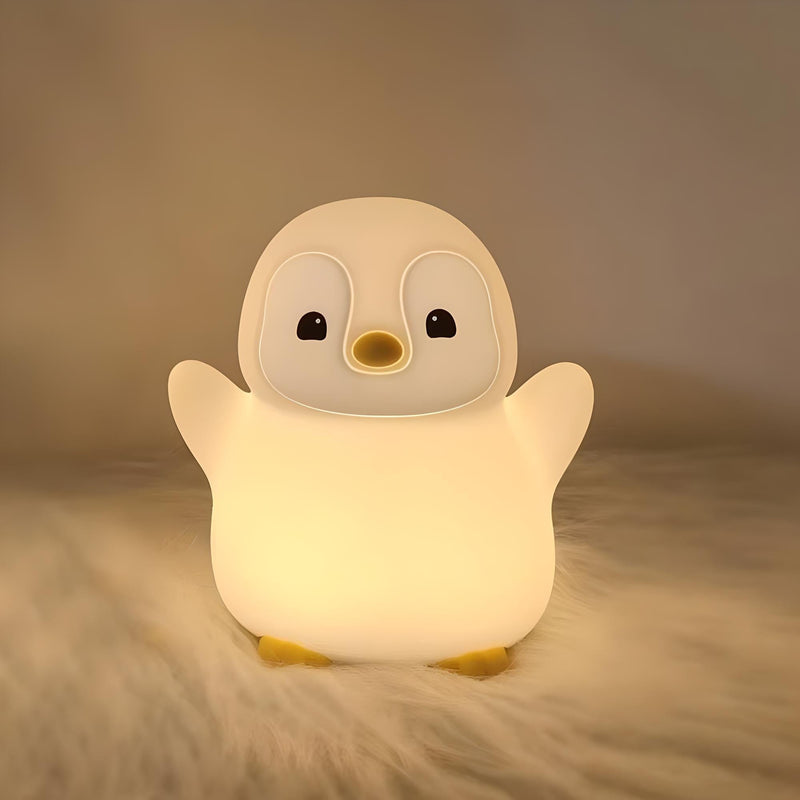
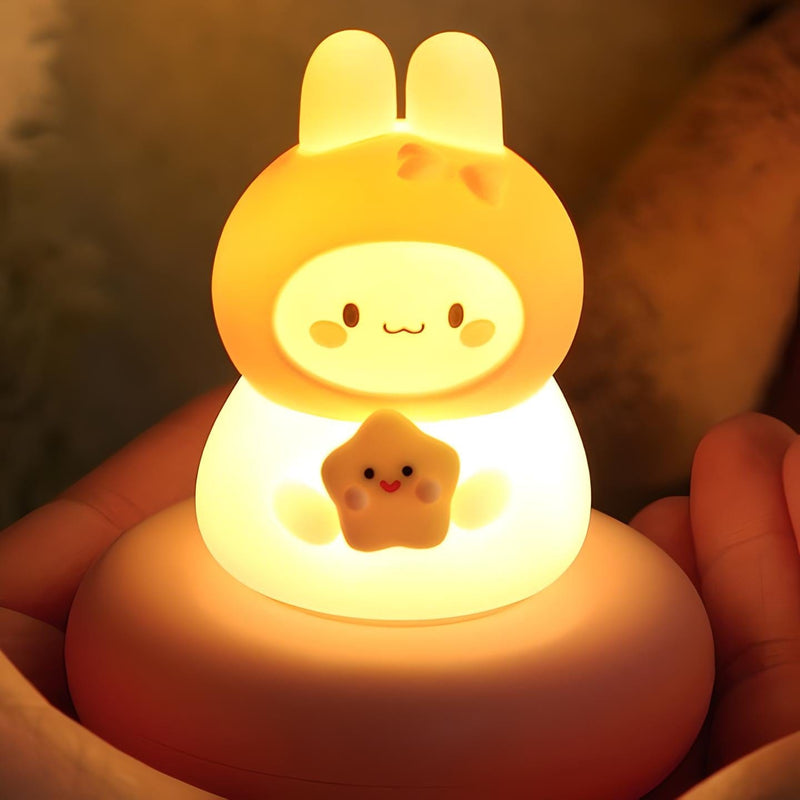

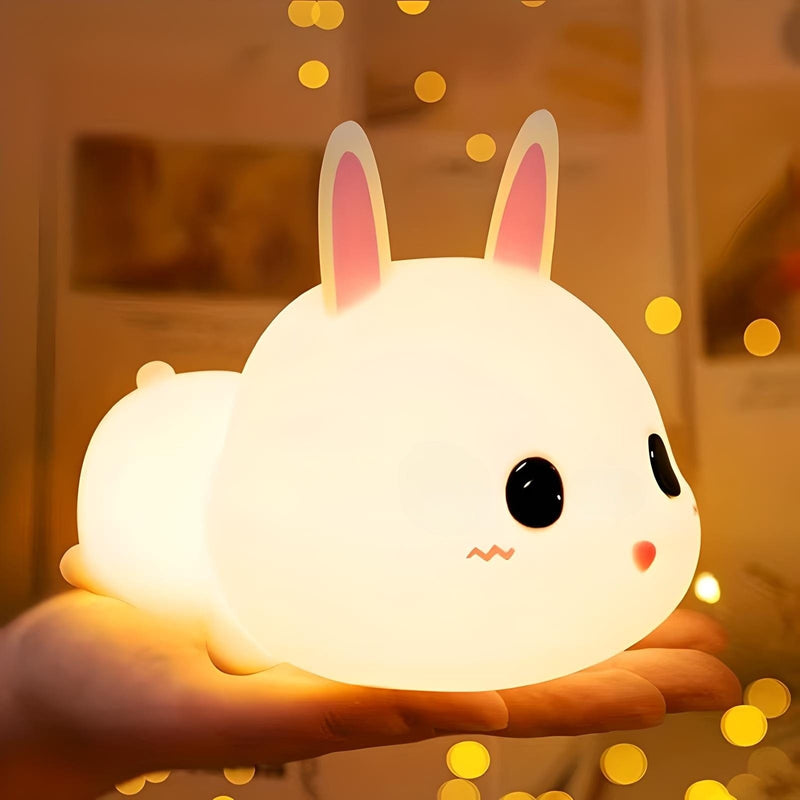

A portable rechargeable night light does away with the corded night light for good, giving you complete freedom from the plug socket. Designed to follow your child from the bedroom to the living room, from home to holidays at Grandma and Grandpa's, it charges via USB and gives off a soft glow for hours on end. Our selection brings together the most reliable models on the market, sorted by battery life, features and age group.
A portable baby night light offers flexibility that corded models simply can't match. It moves with your child for night-time nappy changes, comes along on weekends away and is easy to pack for trips. Here are the real advantages of a portable rechargeable model over a plug-in night light:
Compared with a standard plug-in night light (which draws around 0.5 W continuously, or roughly 4 kWh a year), the rechargeable version only uses power while charging. With 10 hours of use a night, the energy saving is modest, but the gain in convenience is huge.
Four technical criteria determine the real quality of a portable night light. Overlooking them often leads to a disappointing purchase: a battery that runs flat in two hours, light that's too harsh, or a model too bulky for the changing bag. Here's what to check before you buy.
Battery life is the number one criterion for a portable night light. It depends on the battery capacity (measured in mAh) and how it's used. Here are the run times typically seen on the market:
| Battery capacity | Run time in soft mode | Run time in bright mode | Charging time |
|---|---|---|---|
| 600 to 1,000 mAh | 8 to 12 hours | 3 to 5 hours | 2 to 3 hours |
| 1,200 to 1,800 mAh | 15 to 20 hours | 6 to 10 hours | 3 to 4 hours |
| 2,000 mAh and above | 25 to 30 hours | 10 to 15 hours | 4 to 5 hours |
For everyday use in the bedroom, a battery of at least 1,200 mAh is recommended to cover a full night without the light dimming.
The light from a portable rechargeable night light needs to meet specific criteria so it doesn't disturb your baby's sleep. The wrong kind of light delays melatonin release and fragments REM sleep.
Size has a direct impact on how portable it really is. A night light that's too bulky stays at home; one that's too fragile breaks on the first trip. Typical dimensions range from 8 to 15 cm in height for a weight of 150 to 400 grams. Soft silicone models withstand drops better than rigid plastic shells. A loop or wrist strap lets you hang it from a changing bag or a pushchair handle.
Beyond basic lighting, some portable night lights include features that transform the experience. Here are the most useful options:
The way a portable night light is used changes as your child grows. The needs of a baby a few months old are nothing like those of a 5-year-old heading off to summer camp. Here are our recommendations by age group.
Before age 3, the night light mainly serves a practical role for parents: it makes night-time nappy changes and feeds easier without fully waking the baby. At this age, children don't yet have a fear of the dark in the psychological sense — this usually appears between ages 2 and 4.
Choose a food-grade silicone model with no small detachable parts, very dim light (a minimum setting of around 5 lumens) and a colour temperature below 2,700 K. Keep the night light on the changing unit or the edge of the parents' bed — never directly in the cot before 12 months, in line with safe sleep guidance.
From age 3, children can handle their portable night light themselves. It becomes a reassuring object they take to the loo at night, put on their bedside table or bring along on trips. Playful designs (animals, stars, bunnies) really come into their own at this age.
For nights away from home (grandparents, holidays, work trips), a run time of at least 15 hours is needed to cover 2 nights without recharging. As your child grows and moves on to everyday use at home, you can add a fixed kids' night light on their bedside table or a wall night light in the hallway. For bedrooms with a free socket near the bed, a plug-in night light remains a useful extra option.
The portable rechargeable night light market breaks down into four main categories, each suited to a specific use. Here's a summary table to help you find the right model for your needs.
| Type | Main use | Average run time | Age range |
|---|---|---|---|
| Silicone touch night light | Bedroom + travel | 15 to 25 hours | 0 to 8 years |
| Projector night light | Falling asleep | 3 to 6 hours | 2 years + |
| Musical night light | Soothing + light | 8 to 15 hours | 0 to 4 years |
| Plush night light | Comforter + light | 10 to 20 hours | 6 months to 5 years |
If you're torn between several categories, start from the main use: a silicone touch model is still the most versatile choice to begin with.
A well-looked-after rechargeable night light keeps performing for 3 to 5 years on average, or around 500 to 1,000 full charge cycles depending on the quality of the built-in lithium-ion battery. A few simple rules help extend its life and preserve the original battery life.
 Free delivery from £55Across the whole range
 Dispatched within 1 to 2 working daysTracked delivery
 Easy returns within 30 daysTime to try it at home
 Reply within 24 hoursMonday to Friday
 Secure paymentCard, PayPal, Apple Pay, Shop Pay
