
Cart (0)
Your cart is empty
A wall night light doesn't clutter the bedside table and can't fall off. Mount it on the wall at whatever height suits you.

CE and RoHS compliant

Gentle light

LEDs that stay cool
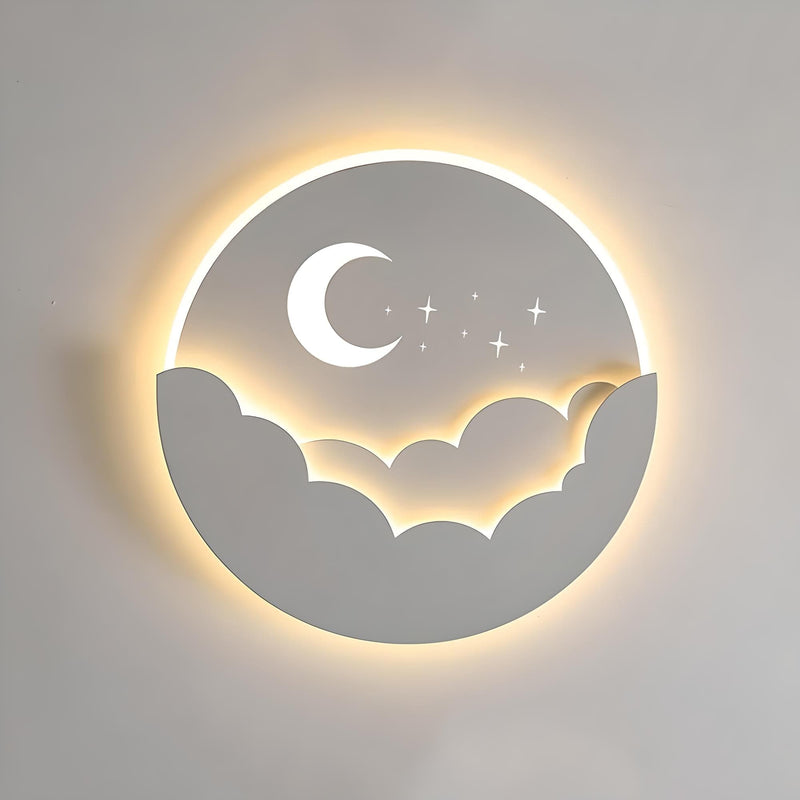
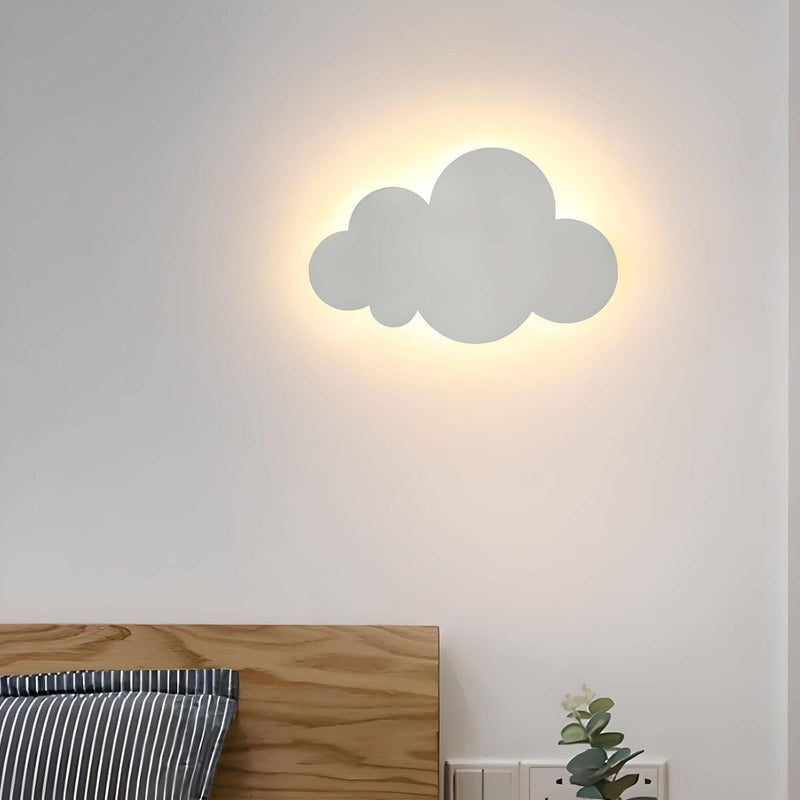
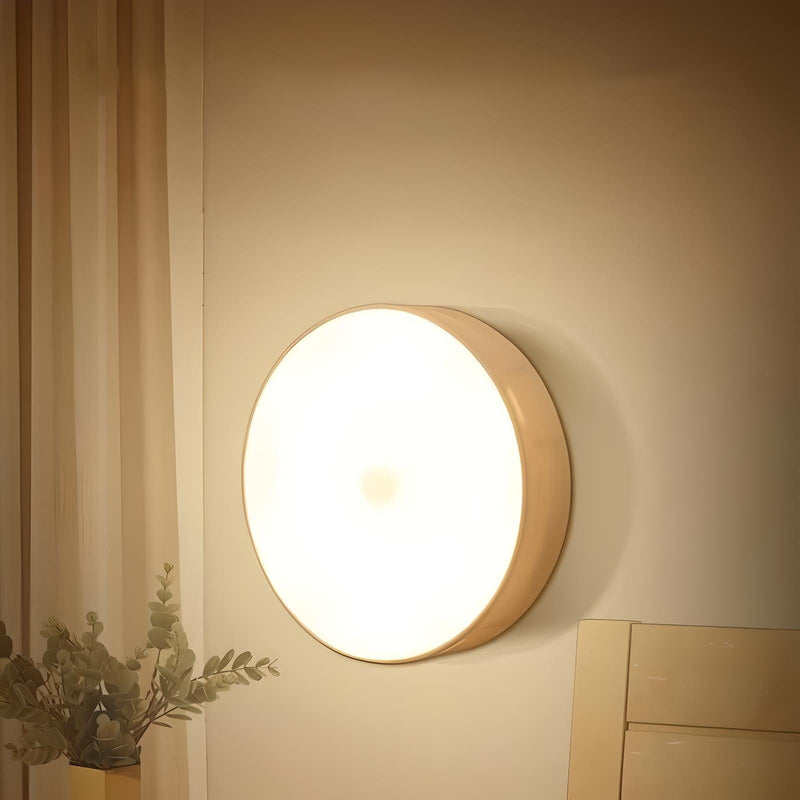
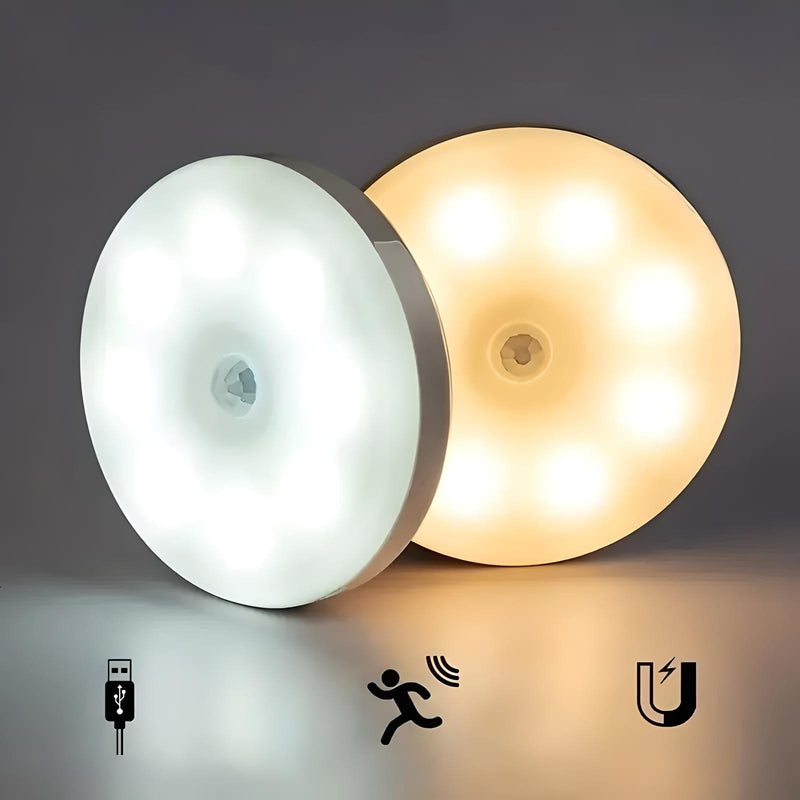
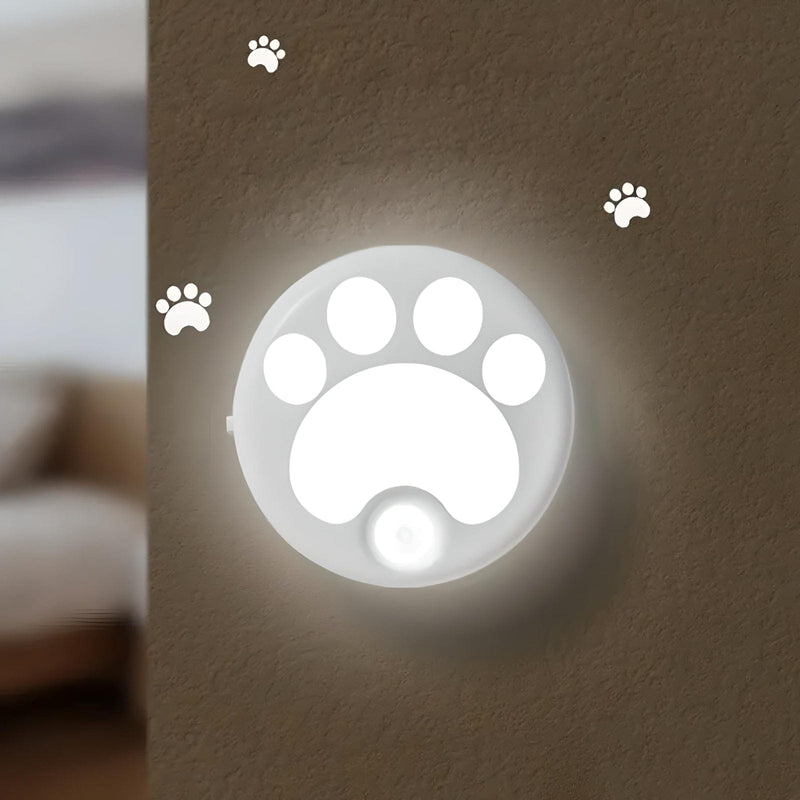

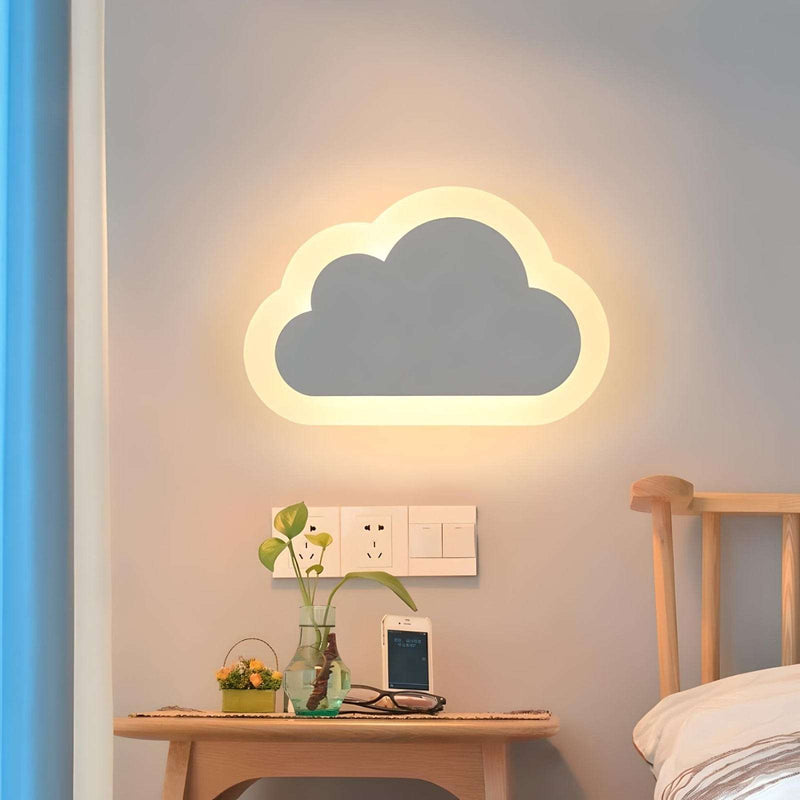
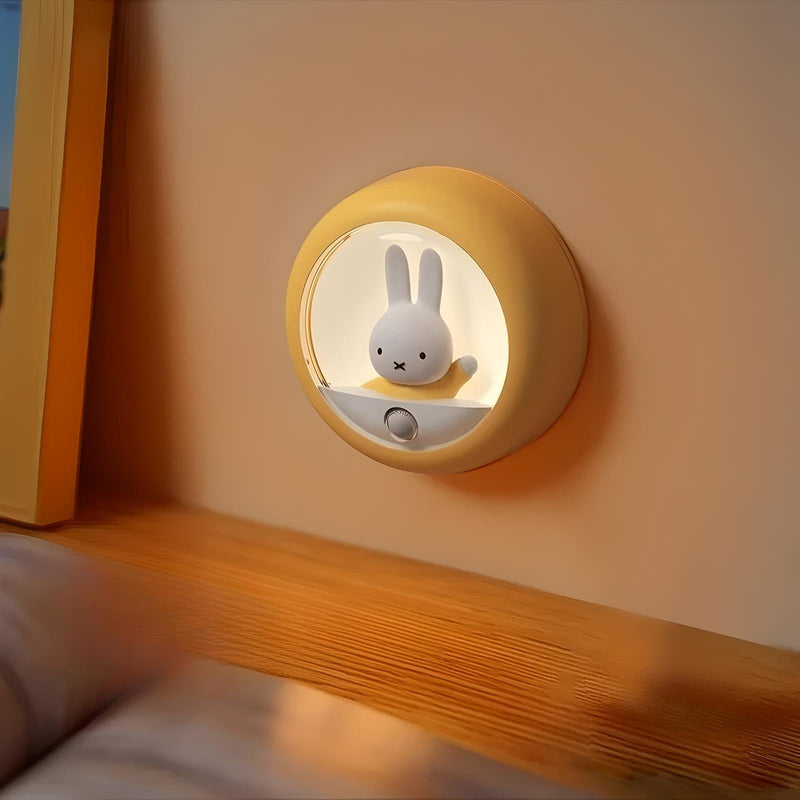
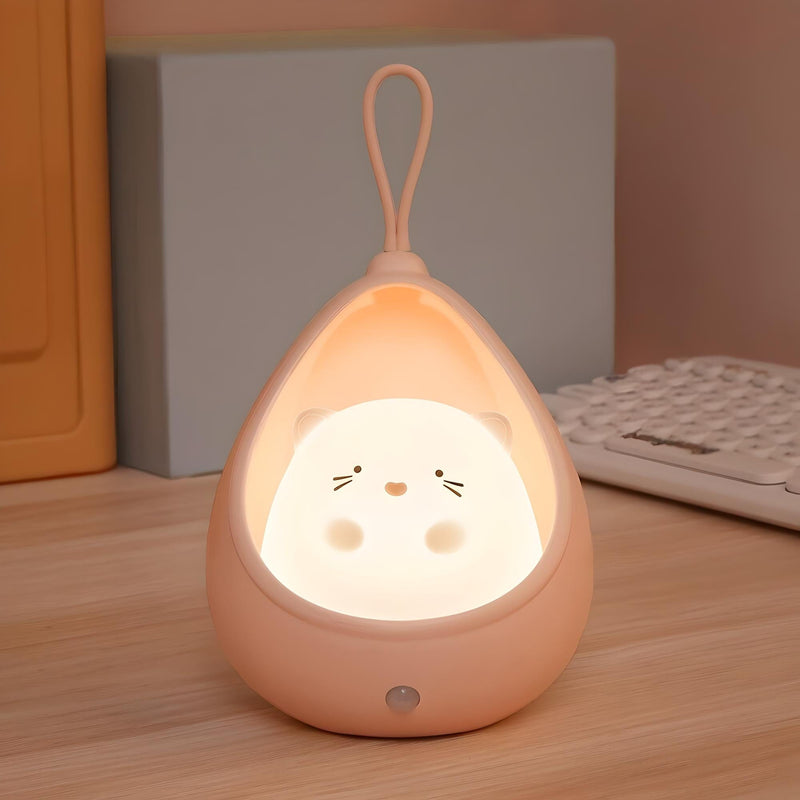


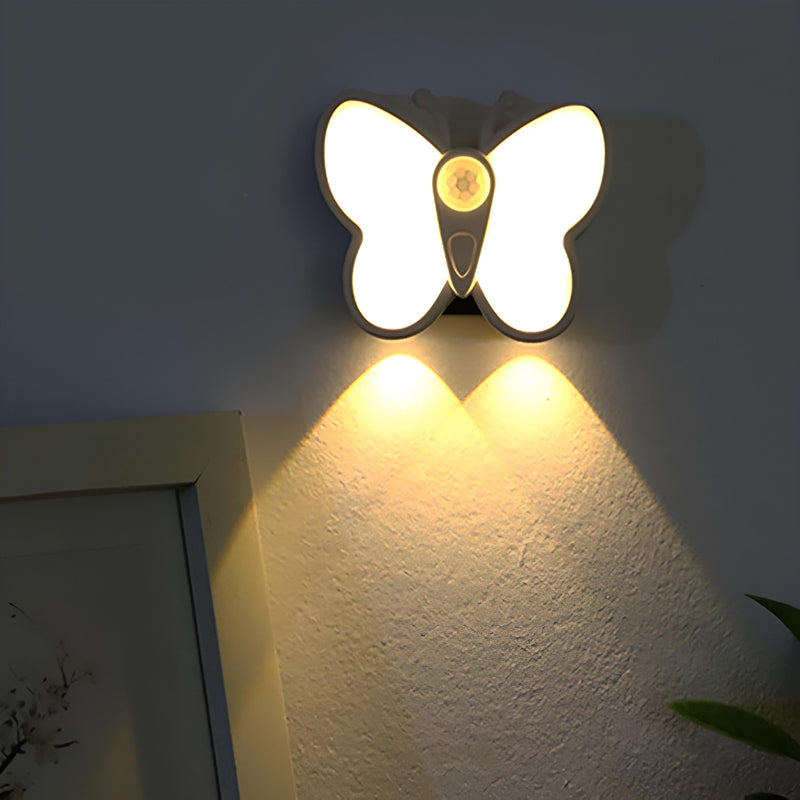


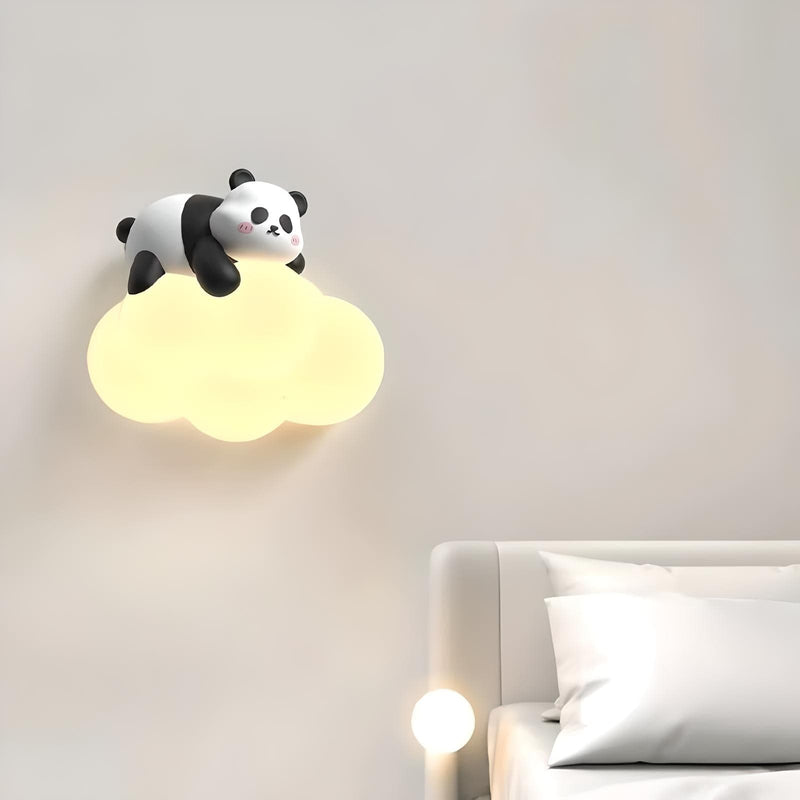
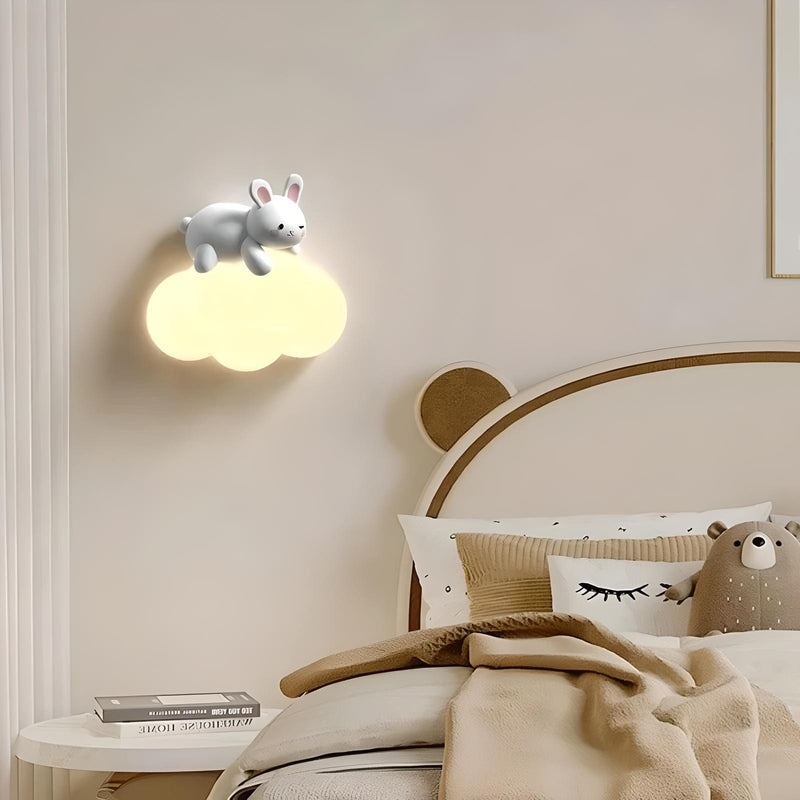
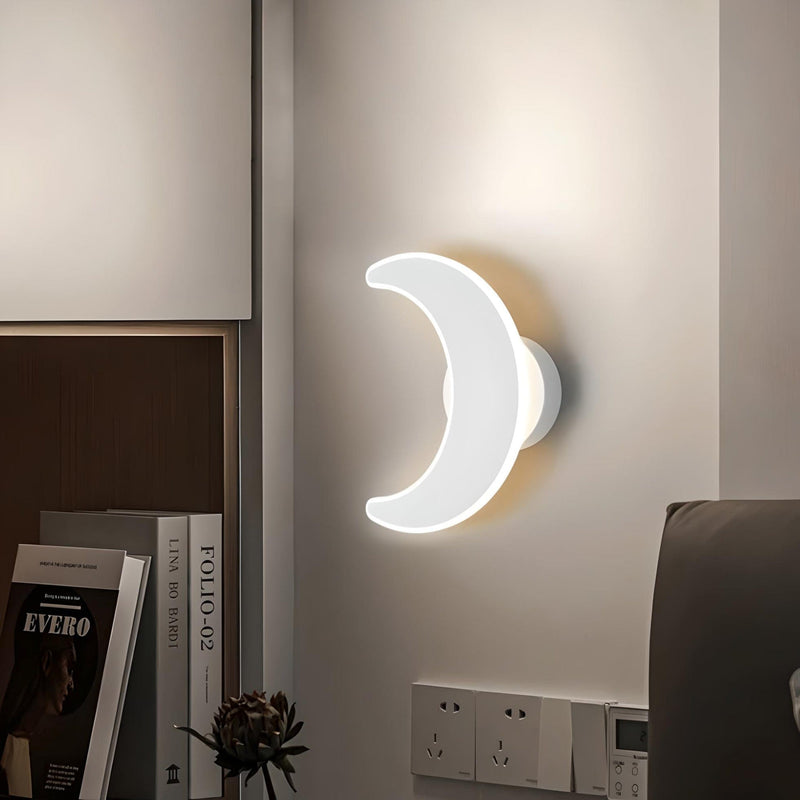
A wall night light gives off a soft glow without cluttering the bedside table or risking a fall during the night. Mounted on the wall at a recommended height of 1.20 m to 1.50 m from the floor, it stays out of reach of little ones while giving just enough light to reassure or get around. It's the go-to solution for parents who want to free up space in the nursery without giving up practical night-time lighting.
Children's sleep is sensitive to light, particularly blue light, which slows the production of melatonin. A good wall night light gives off warm light between 2,000 K and 2,700 K, ideal for helping little ones fall asleep. Brightness also plays a key role in visual comfort.
On a bedside table or chest of drawers, a standard night light takes up 10 to 15 cm² of useful space. Mounted on the wall, it frees up that surface for a book, a comforter or a humidifier. It's a real advantage in a child's bedroom, which is often cluttered and where every centimetre counts.
| Criterion | Wall night light | Tabletop night light |
|---|---|---|
| Surface space | 0 cm² | 10 to 15 cm² |
| Risk of falling | None | Possible |
| Child access | Out of reach | Within easy reach |
| Light spread | Wide, grazing the wall | Localised |
Any wall night light intended for a child's bedroom must carry CE marking and should ideally meet the EN 60598 standard for household luminaires. On plug-in models, the low output voltage (under 12 V for LEDs) limits any electrical risk. Also check that the casing's surface temperature stays below 40 °C even after several hours of use — an essential point in case your child touches it. Models tested for children's bedrooms are available in our kids' night light collection, designed to meet the specific needs of the youngest.
There are three main families of wall night lights, each suited to a different use. The choice mainly depends on the layout of your room: whether there's a free socket, fitting constraints and how often you'll use it.
This is the most common and most economical format. The night light plugs straight into a standard UK socket, with no visible cable or installation. It uses between 0.3 W and 1 W on average in LED mode — just pennies' worth of electricity a year for nightly use.
You'll find all our compatible models in our selection of plug-in night lights.
With no socket needed, these models can go anywhere: above a cot, in a walk-in wardrobe, on a wall with no power nearby. Rechargeable versions have a lithium battery offering on average 8 to 12 hours of run time per charge, enough to cover several nights depending on use.
| Type | Average run time | Charging / Replacement | Ideal use |
|---|---|---|---|
| Battery night light | 2 to 4 months | AA or AAA batteries to replace | Occasional use, backup |
| Rechargeable night light | 8 to 12 h per charge | USB cable | Daily use, portability |
| Magnetic night light | 8 to 15 h per charge | Wall base + USB cable | Several rooms, travel |
Rechargeable models are especially popular for their versatility: the same lamp can serve as a fixed night light in the evening, then be detached to go with your child to the loo at night. Discover our full range of portable rechargeable night lights for this kind of use.
Mainly intended for hallways and entrances, this type of night light switches on automatically as soon as movement is detected within 3 to 5 metres. It switches itself off after 15 to 30 seconds of inactivity, making it the most energy-efficient option. These models use around 0.1 W on standby and 0.5 W when lit.
The right model also depends on the room it will go in. Each space has its own lighting, aesthetic and practical requirements.
In a nursery, a baby wall night light should give warm light below 2,700 K and a brightness of no more than 20 lumens for continuous lighting. Ideally, mount it next to the cot or changing table, 1.40 m to 1.60 m from the floor, so it never shines directly into your baby's eyes. Models with a dimmer let you adjust the brightness for different moments: feeds, bedtime stories, deep sleep.
In these through areas, the priority is safe movement at night. A wall night light with a motion sensor, placed every 3 to 4 metres along a long hallway, is enough to light the way without waking the rest of the household. The colour temperature can go up to 3,000 K for better visibility, and brightness can reach 30 to 50 lumens.
In a living room, a wall night light is above all decorative and creates atmosphere. Placed behind a sofa or along a bookcase, it provides warm, indirect lighting for the evening. Designer models, some of them adjustable, offer a beam that can be angled over 90° to 180° to fine-tune the light. A brightness of 50 to 150 lumens generally suits this use.
Installation varies by model, but in most cases requires no electrical skills. Allow 5 to 20 minutes on average for the whole job.
| Method | Tools needed | Fitting time | Load supported |
|---|---|---|---|
| Plug-in | None | Under 1 minute | Weight of the unit |
| Double-sided adhesive | None | 5 minutes | Up to 500 g |
| Screws and wall plugs | Drill, spirit level | 15 to 20 minutes | Over 1 kg |
| Magnetic mount | Depends on the base | 5 to 10 minutes | 300 to 800 g |
For renters, good-quality double-sided adhesive is the simplest solution: it holds up to 500 g and comes off without leaving marks on painted or papered walls. Avoid adhesive on rough surfaces such as stone, brick or render, where it may not stay stuck over time. For heavier models, or in a child's bedroom where reliability comes first, screw fixing remains the most durable option.
 Free delivery from £55Across the whole range
 Dispatched within 1 to 2 working daysTracked delivery
 Easy returns within 30 daysTime to try it at home
 Reply within 24 hoursMonday to Friday
 Secure paymentCard, PayPal, Apple Pay, Shop Pay
