
Cart (0)
Your cart is empty
Baby night lights with a soft body, no detachable parts and no remote control. Gentle light, LEDs that stay cool, CE and RoHS compliant and checked before dispatch.

CE and RoHS compliant

Gentle light

LEDs that stay cool
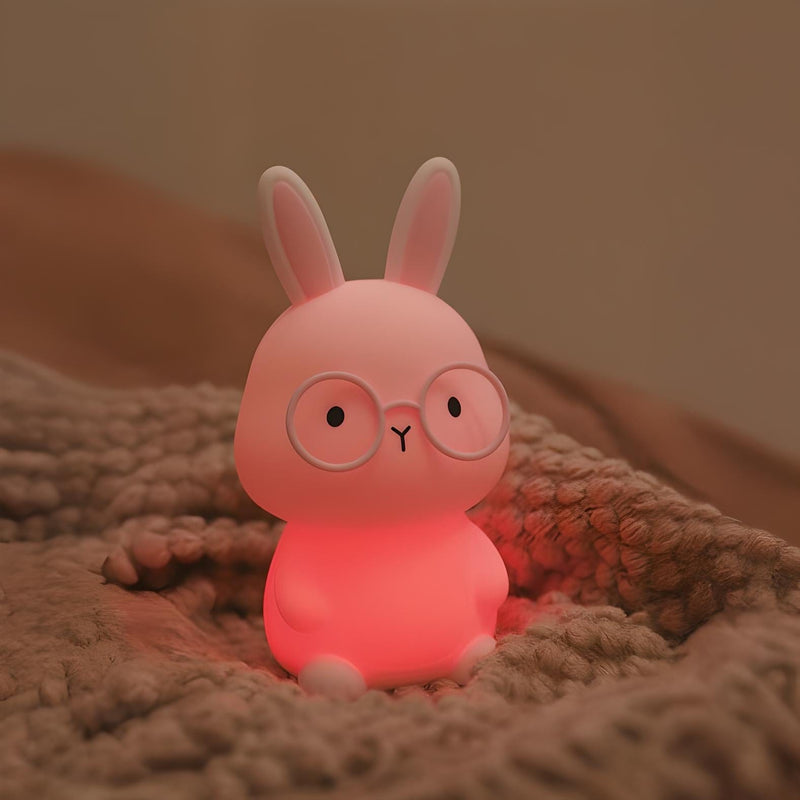


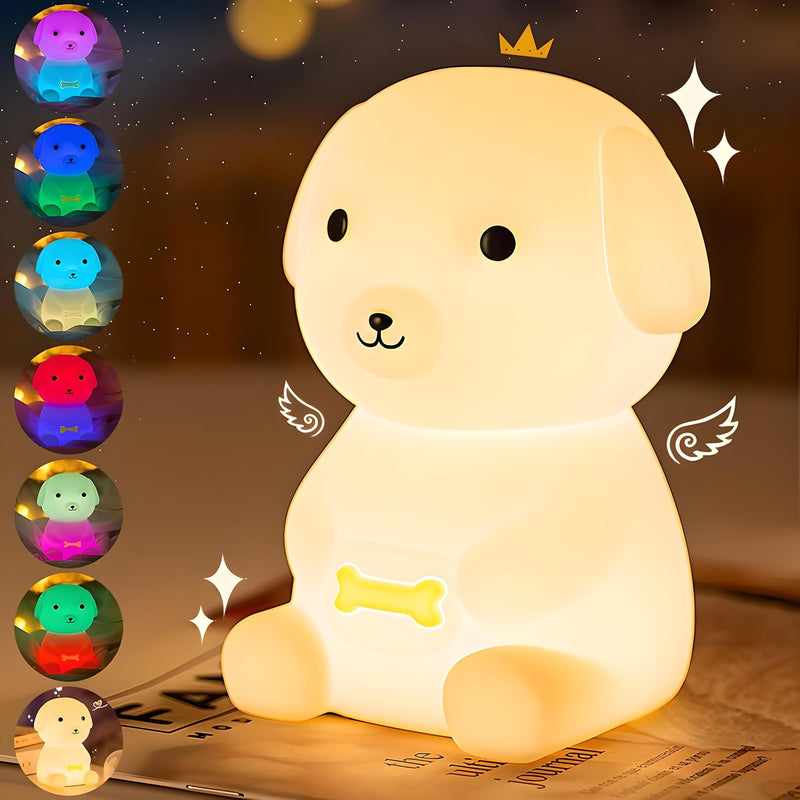

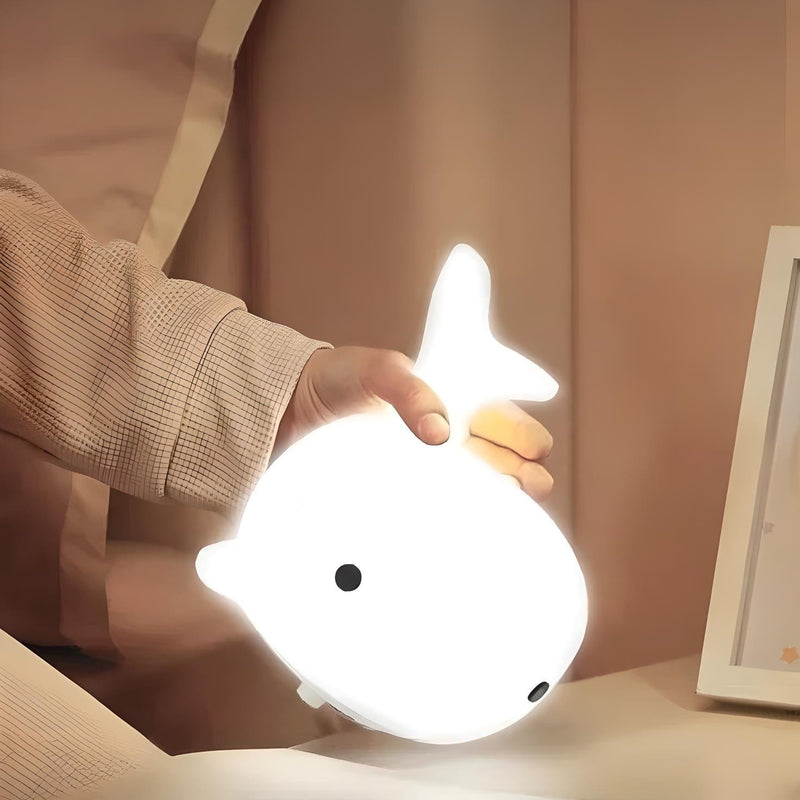


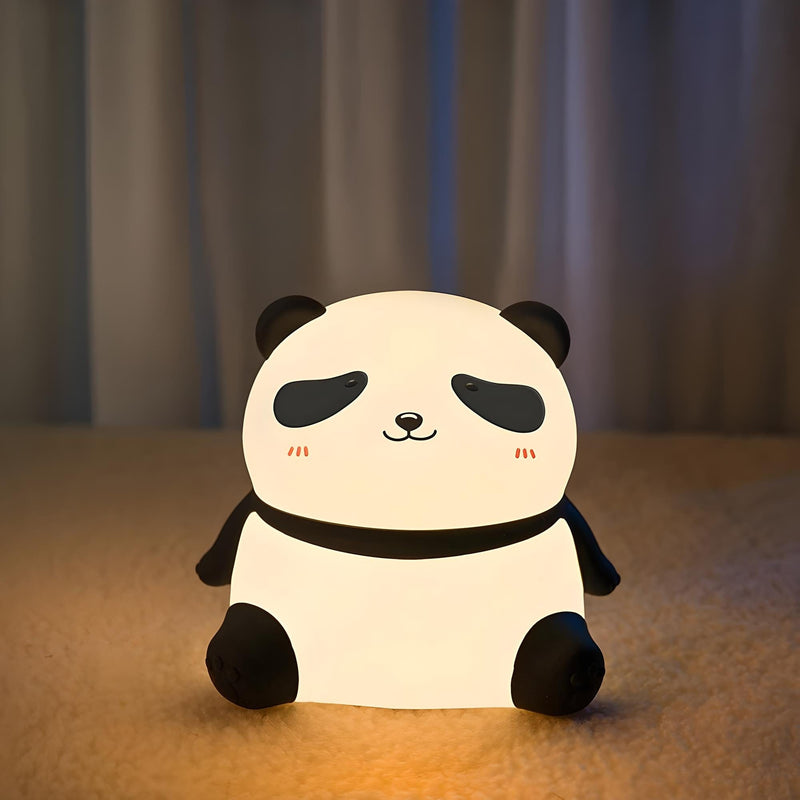
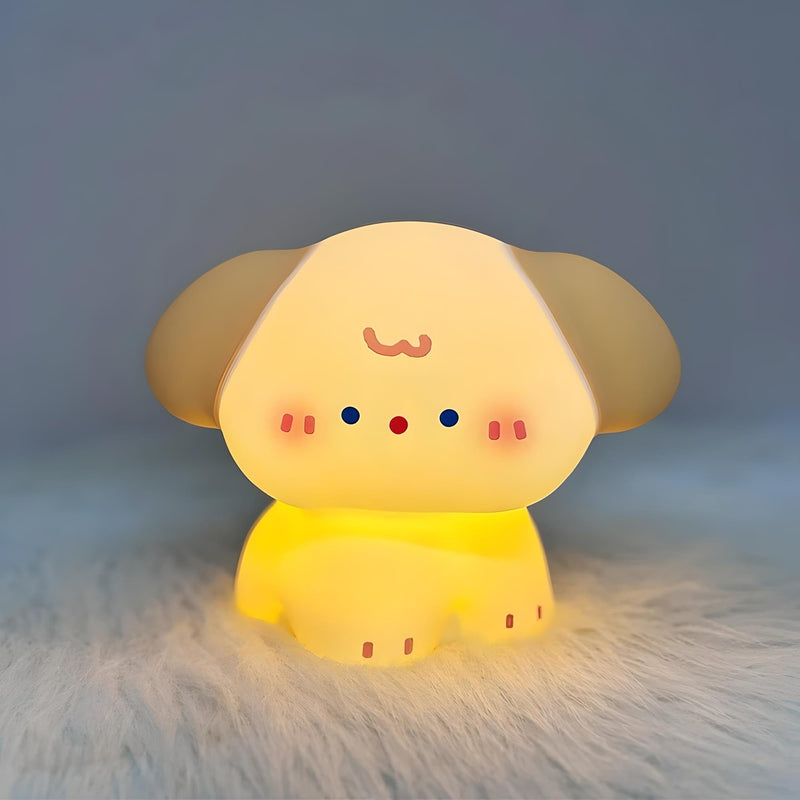


A baby night light turns bedtime into a reassuring routine, especially when your little one starts crying the moment the light goes off. It helps your child, who can drift off without fighting the darkness, just as much as it helps you, keeping your hands free during night-time wake-ups. Rêve de Veilleuse brings together almost 400 designs — glowing comforters, ceiling projectors, musical night lights, plug-in models — made with CE-marked, child-safe materials and designed to support sleep from the very first months.
Fear of the dark isn't there from birth: it usually appears between 2 and 3 years old, as a child's imagination develops. Before that age, soft light plays a different role — avoiding the sudden switch from full daylight to total darkness, which is disorienting and wakes babies up.
A routine repeated every evening in the same order shortens the time it takes to fall asleep. The usual recommendation is around 20 to 30 minutes, split into three or four fixed steps, with soft light marking the last one. Your child then links switching on the night light with a clear signal: the day is over.
| Routine step | Approximate time | Role of the light |
|---|---|---|
| Bath and nappy change | 10 minutes | Normal lighting, main light on |
| Story or lullaby | 5 to 10 minutes | Soft light on, main light off |
| Cuddle and into the cot | 3 to 5 minutes | Lowest brightness, warm colour |
| Falling asleep | 10 to 20 minutes | 15 or 30-minute timer, switches off by itself |
Musical night lights take this idea further, playing a lullaby for a few minutes before gradually fading out. The sound holds your child's attention while they are restless, then the light takes over. For the association to work, keep the same tune and the same volume for at least two to three weeks.
Four families cover most situations, and no single one meets every need: a wall-mounted projector doesn't do the same job as a model you take along to Grandma's. The table below sums up the uses, and each type is explained in more detail afterwards.
| Type | Main use | Recommended age | What to check |
|---|---|---|---|
| Ceiling projector | Calming restlessness, giving a focal point | From 6 months | Timer and rotation speed |
| Glowing comforter | Naps, travel, bedtime cuddles | Depends on the model, often from birth | Battery life and washable material |
| White noise night light | Evening crying, colic, household noise | Mainly 0 to 12 months | Maximum volume and distance from the cot |
| Plug-in night light | Hallway, parents' bedroom, night feeds | All ages | Power use and light sensor |
A projector casts stars or moving patterns onto the ceiling, giving your child something to focus on as they drift off. Our projector night lights work best placed 1.5 to 2 metres from the surface they project onto: any closer and the image becomes blurry and too bright for a bedroom.
A glowing comforter combines a comfort object with a light, making it the most versatile format for naps as well as nights away from home. Most of the models in our glowing comforter range are moulded from washable food-grade silicone, a soft material that survives being dropped and wipes clean with a damp sponge.
White noise recreates a continuous background sound, similar to what babies hear in the womb, which masks household noise and shortens bouts of crying at the end of the day. Our white noise night lights should be placed more than 2 metres from the cot, the recommendation most often given by early-years professionals.
Fixed and always ready, a plug-in night light lights up a hallway, a corner of the bedroom or just enough space for a night-time bottle. It plugs into a standard UK socket and uses very little power: less than 1 watt for most LED models, so ten hours of use every night costs only pennies a year.
Two criteria settle most dilemmas: your child's age and where the light will actually be used. A model with three adjustable brightness levels stays useful from birth to 3 years old, whereas a light with fixed brightness often ends up unused after a few months.
Needs change quickly over the first three years: what reassures a newborn can stimulate a 2-year-old, and vice versa. In particular, avoid any cool white light above 4,000 kelvins in the bedroom, even for a quick nappy change.
| Age | Recommended format | Light setting | Watch out for |
|---|---|---|---|
| 0 to 6 months | Plug-in or tabletop model, white noise | Very soft, amber tone, below 5 lux | Nothing in the cot |
| 6 to 18 months | Ceiling projector | One-third brightness, 30-minute timer | Cable and device out of reach |
| 18 months to 3 years | Glowing comforter, touch model | 3 levels your child can adjust | Screw-fastened battery compartment |
| 3 years and over | Portable or interactive model | At least 8 hours of battery life | Withstands repeated drops |
The same bedroom may need two lights: a fixed one for parents' night-time trips, and a portable one that goes with your child at weekends. Identify the main use first, then add a second light if needed.
| Situation | Feature to prioritise | Practical benchmark |
|---|---|---|
| Child's bedroom | Adjustable brightness and timer | Auto shut-off after 15 to 60 minutes |
| Breastfeeding or night-time bottle | Fixed light pointing downwards | Warm colour, below 10 lux |
| Travel and weekends away | Portable rechargeable format | Under 250 grams, USB rechargeable |
| New baby gift | Glowing comforter or decorative model | Washable material, instructions in English |
One last check before you decide: look for the CE marking and the EN 71 standard, which covers toy safety, including electrical parts. This is what sets apart a product designed for a child's bedroom from a simple mood lamp used for something it wasn't made for.
Before 6 months, choose a very soft light, below 5 lux, in an amber or red tone that doesn't interfere with melatonin production. A glowing comforter or a low-brightness plug-in model is ideal, unlike bright blue or white lights.
There's no set age: most children stop needing one between 5 and 7 years old, as fear of the dark fades naturally. Using it for longer isn't a problem as long as the light stays soft.
No, as long as it stays dim and warm in colour: only blue or very bright lights delay sleep. A low amber or red glow has no noticeable effect on the circadian rhythm.
White noise masks outside sounds and mainly helps young babies fall asleep, whereas light alone is usually enough for older children. Some models combine both features, with sound you can switch off.
Yes, as long as the brightness stays low and the colour amber. Most of our models are designed to run continuously, but a timer is still useful if you want to encourage your child to fall asleep independently.
 Free delivery from £55Across the whole range
 Dispatched within 1 to 2 working daysTracked delivery
 Easy returns within 30 daysTime to try it at home
 Reply within 24 hoursMonday to Friday
 Secure paymentCard, PayPal, Apple Pay, Shop Pay
