
Cart (0)
Your cart is empty
A kids' night light strikes the right balance: enough light to reassure, not so much that it stops them falling asleep. All CE and RoHS compliant, tested before dispatch.

CE and RoHS compliant

Gentle light

LEDs that stay cool


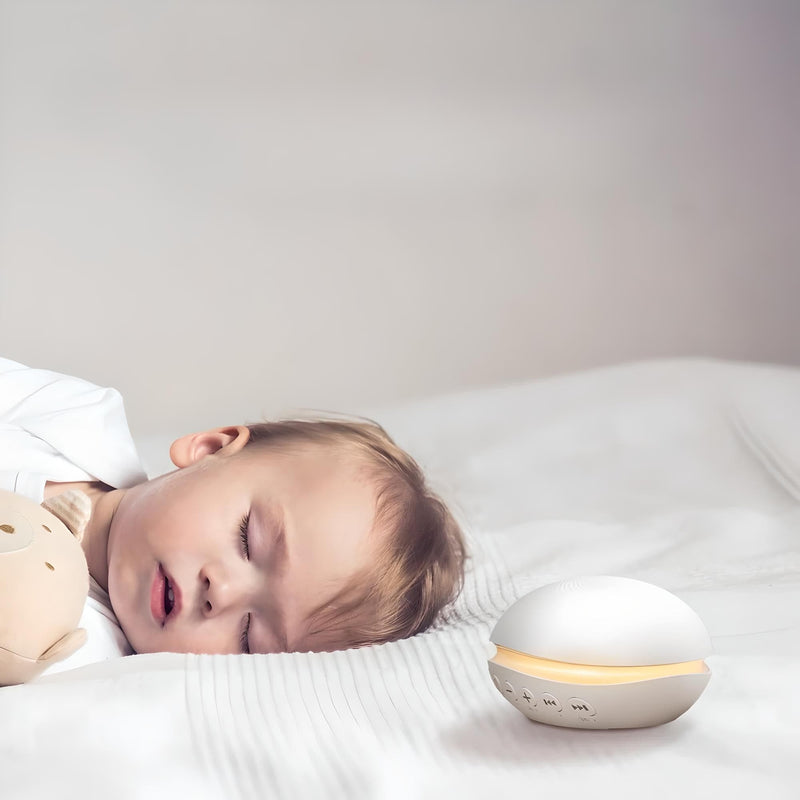
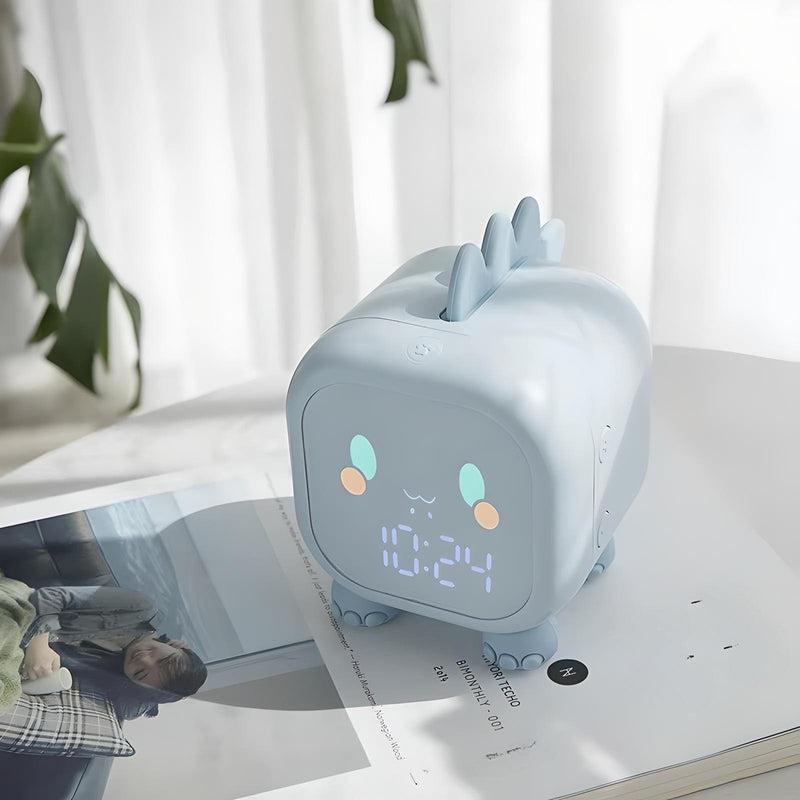
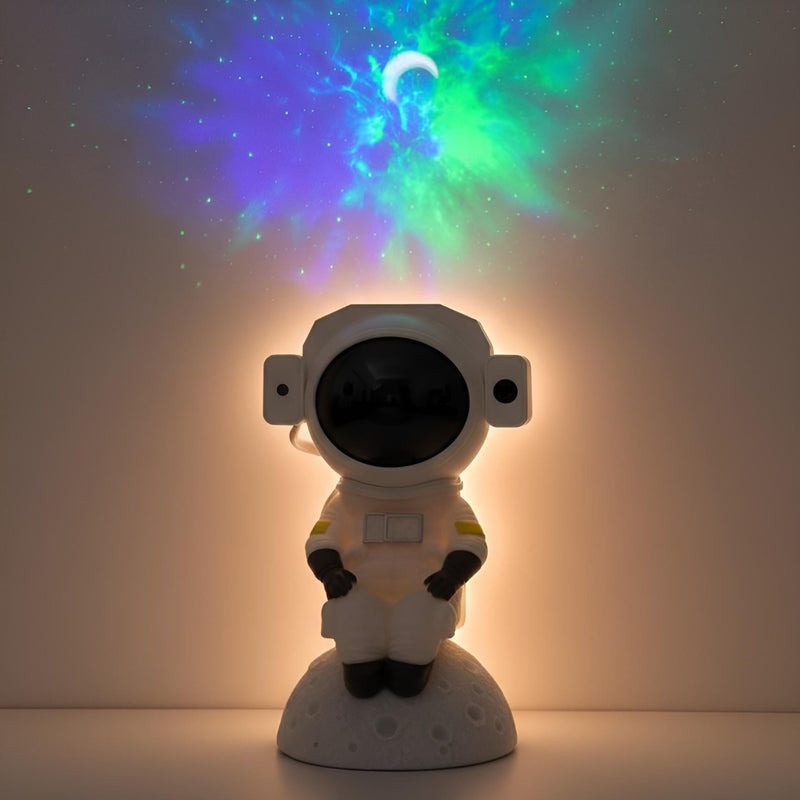
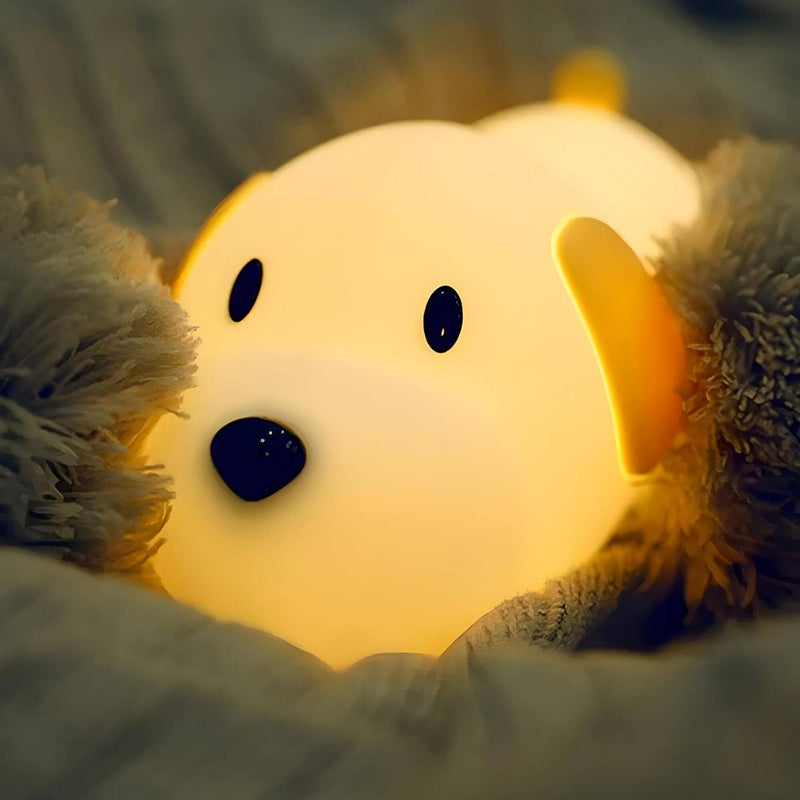
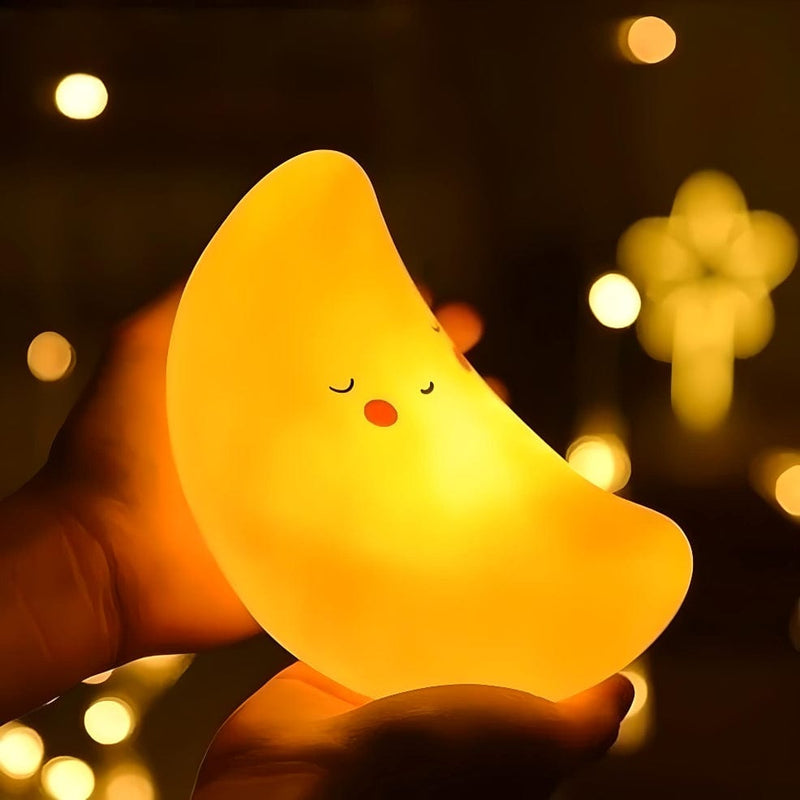
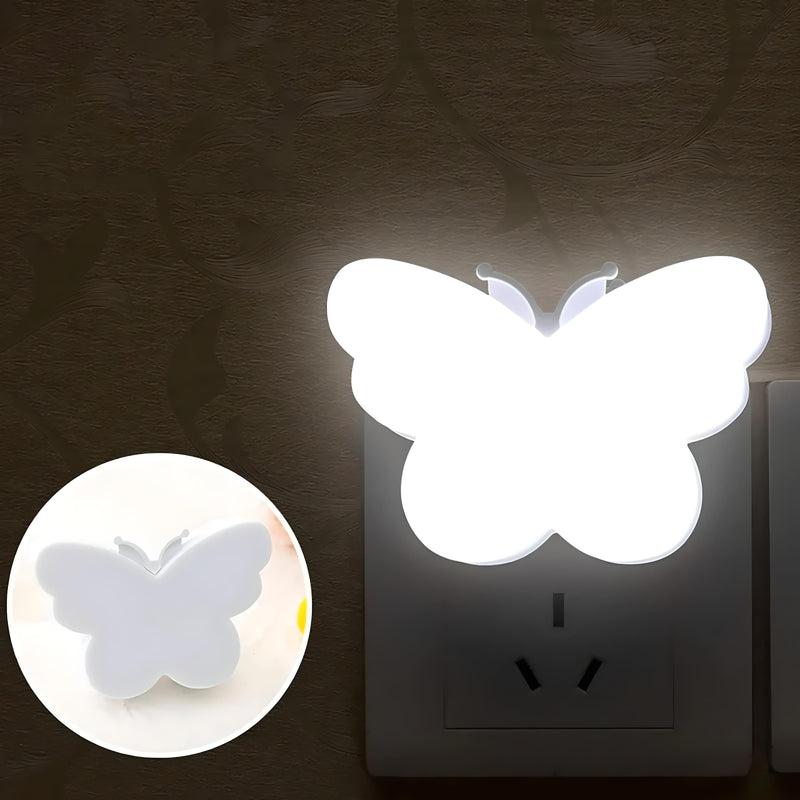
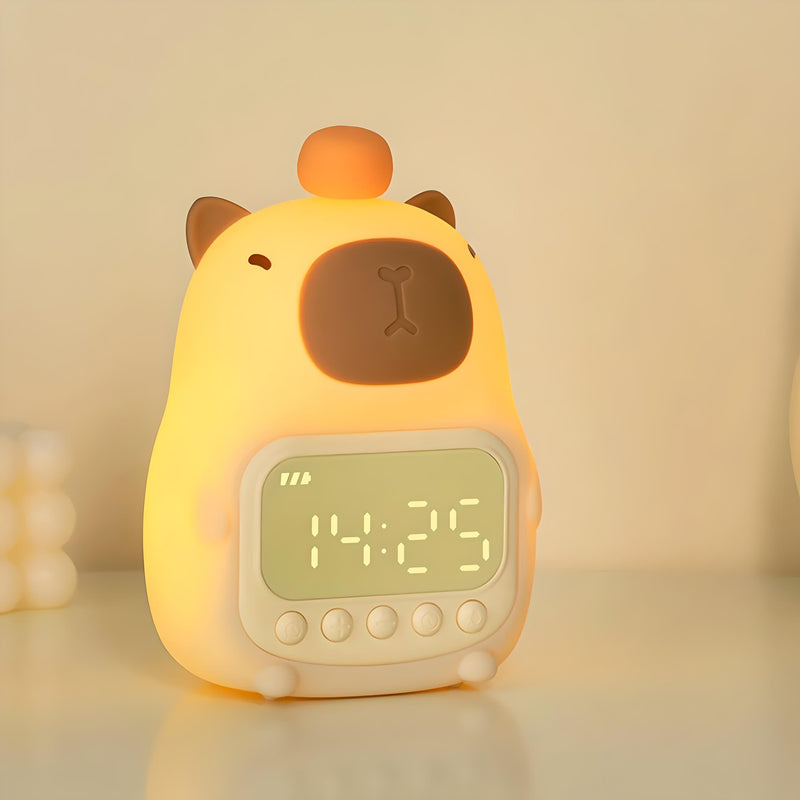
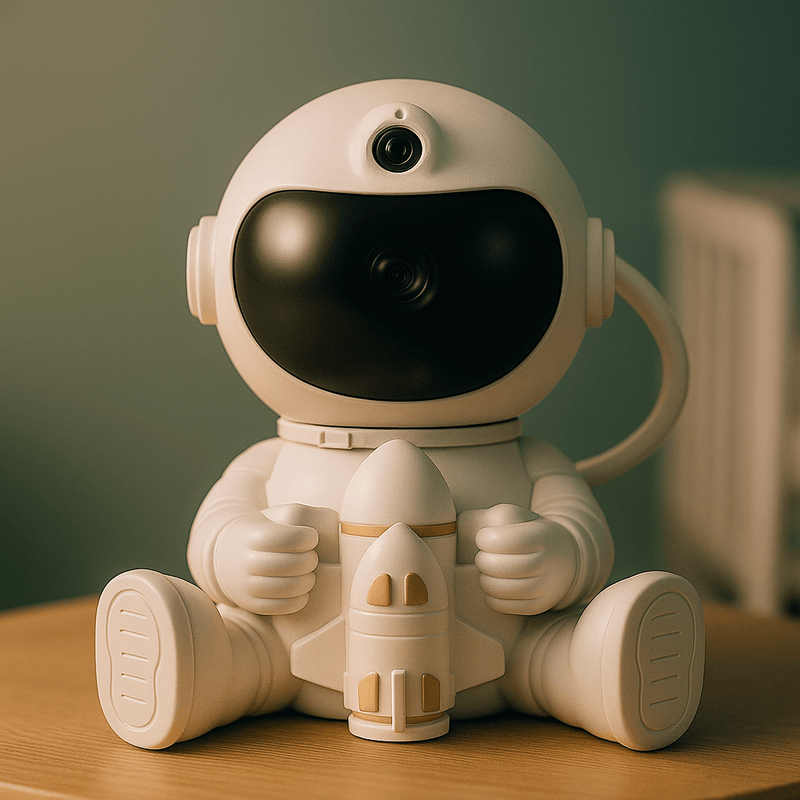
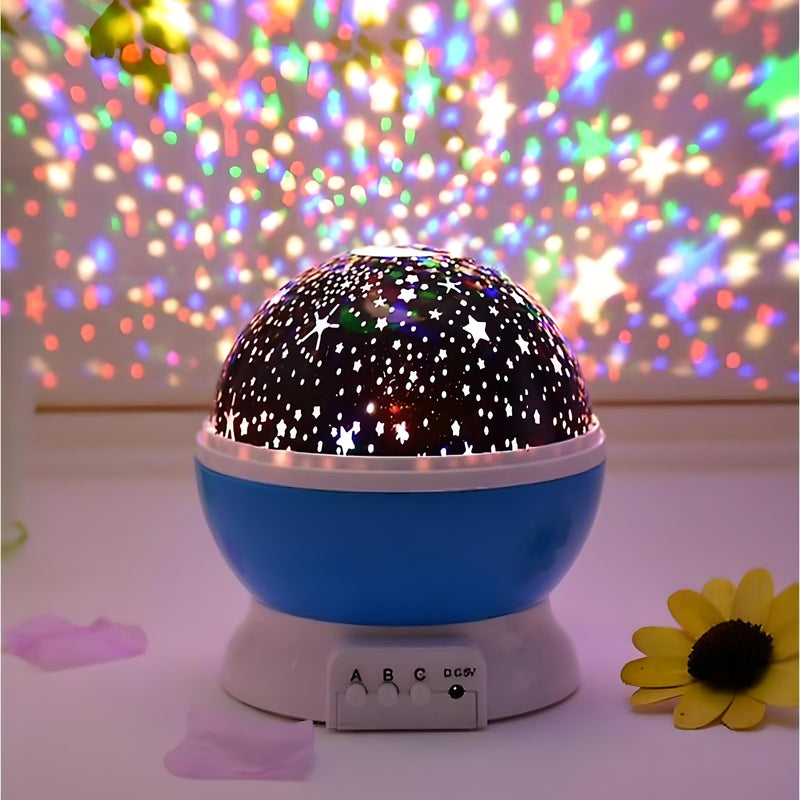
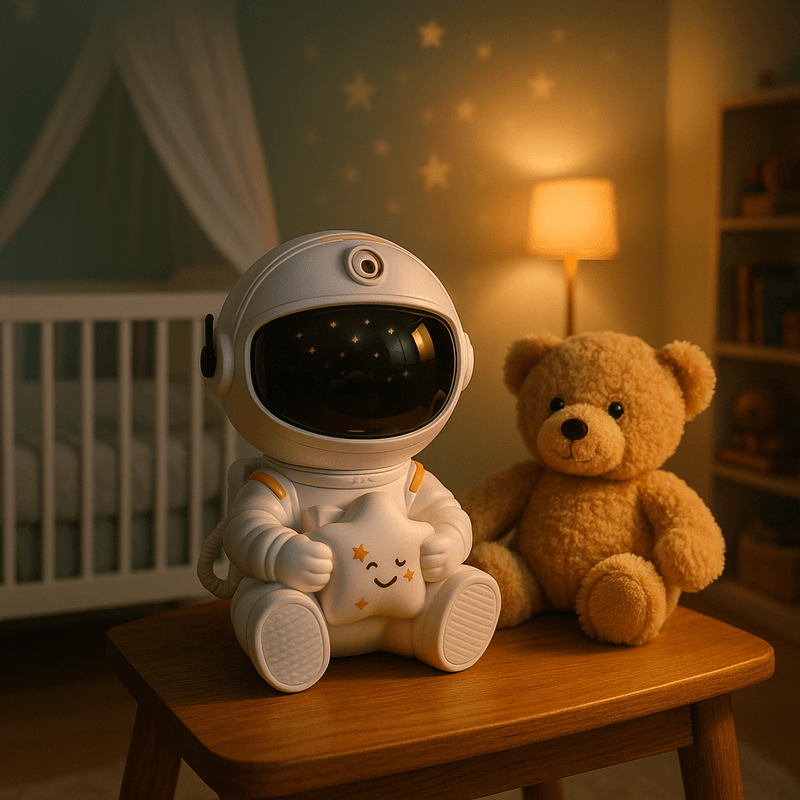

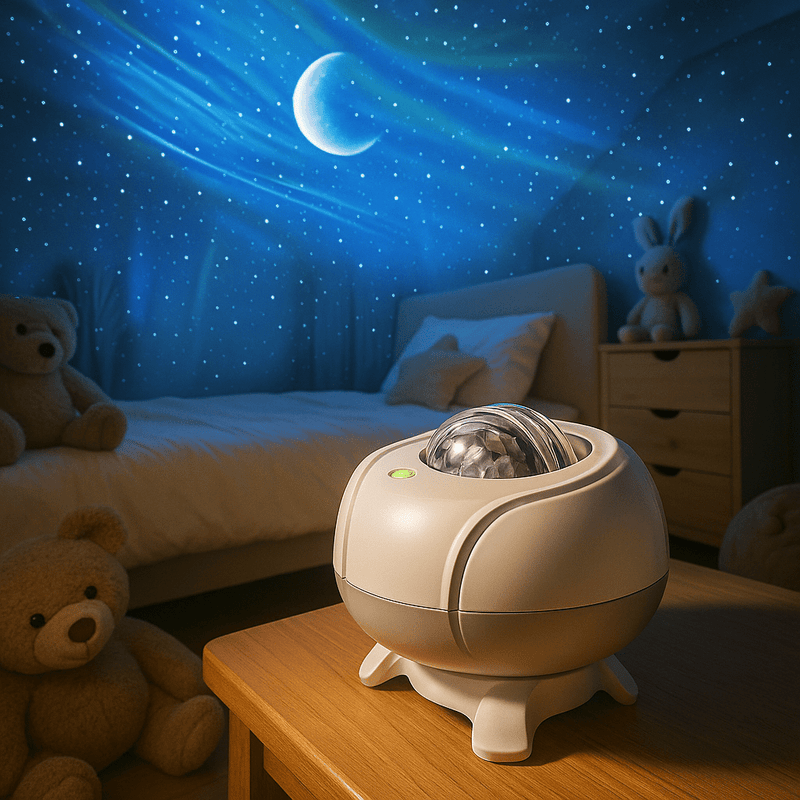
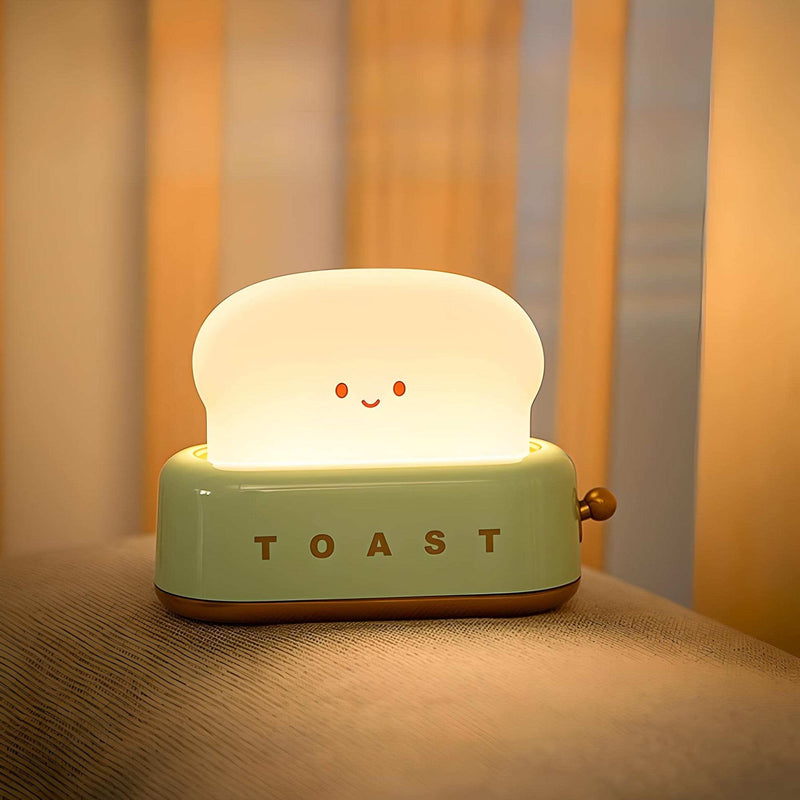
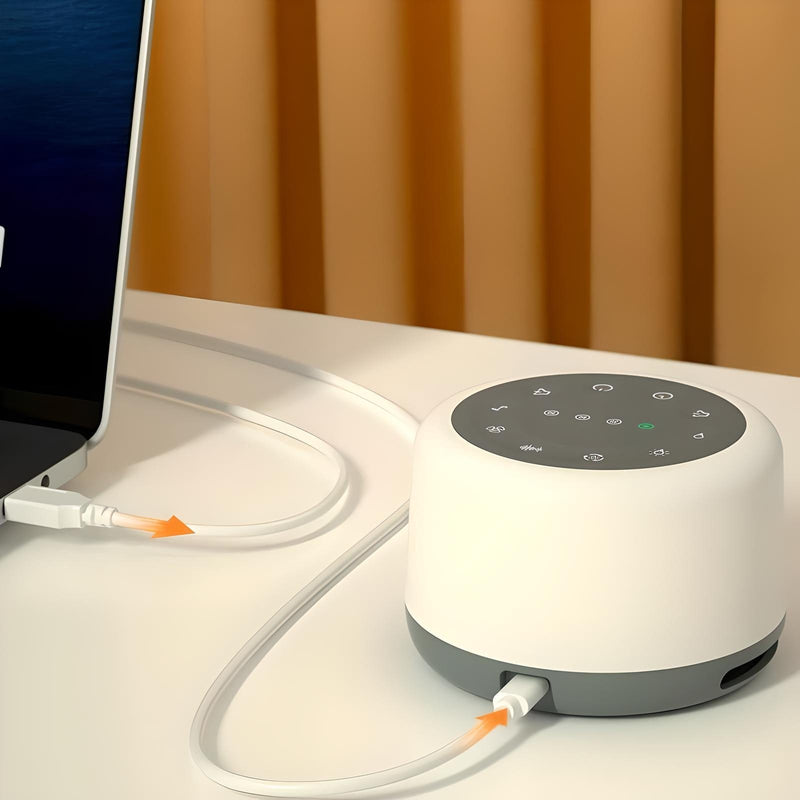
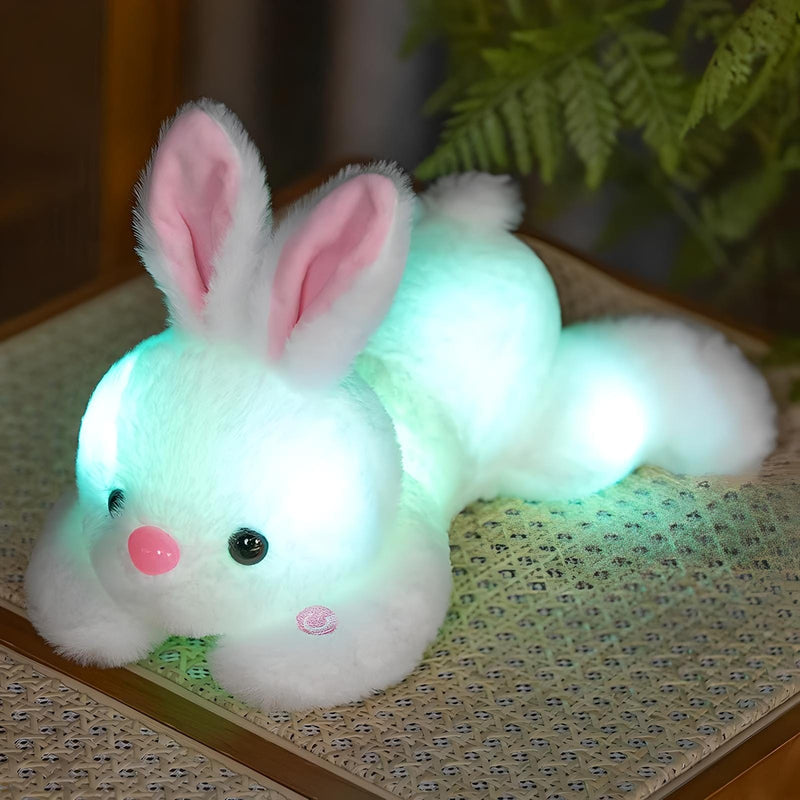
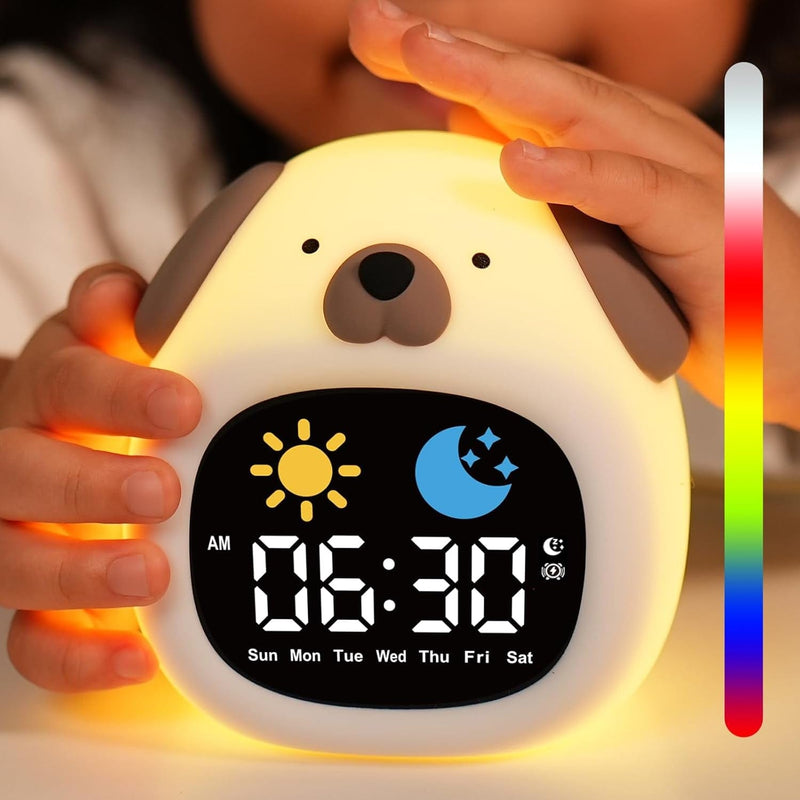
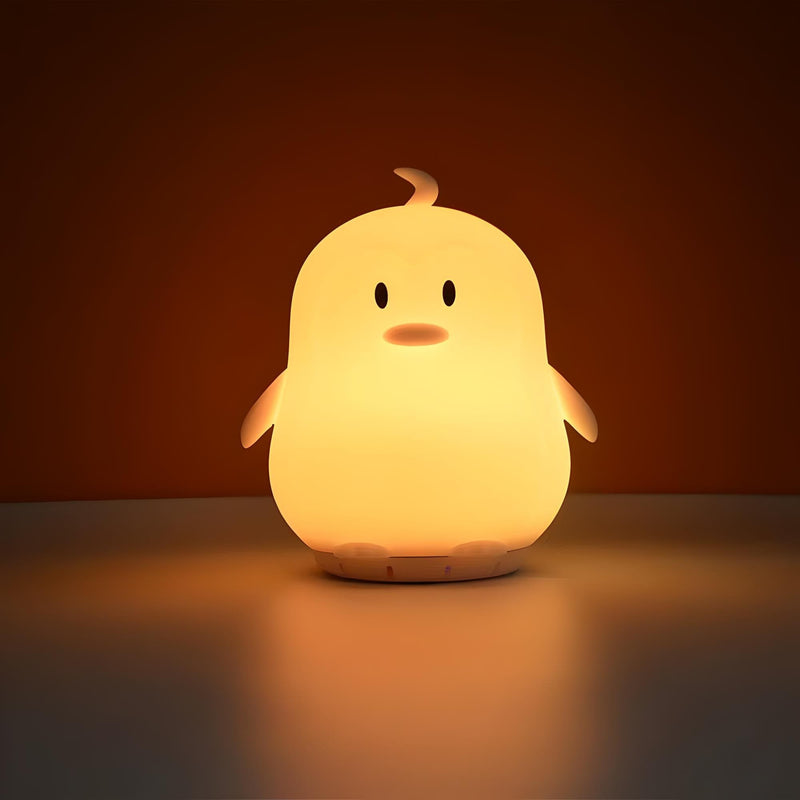
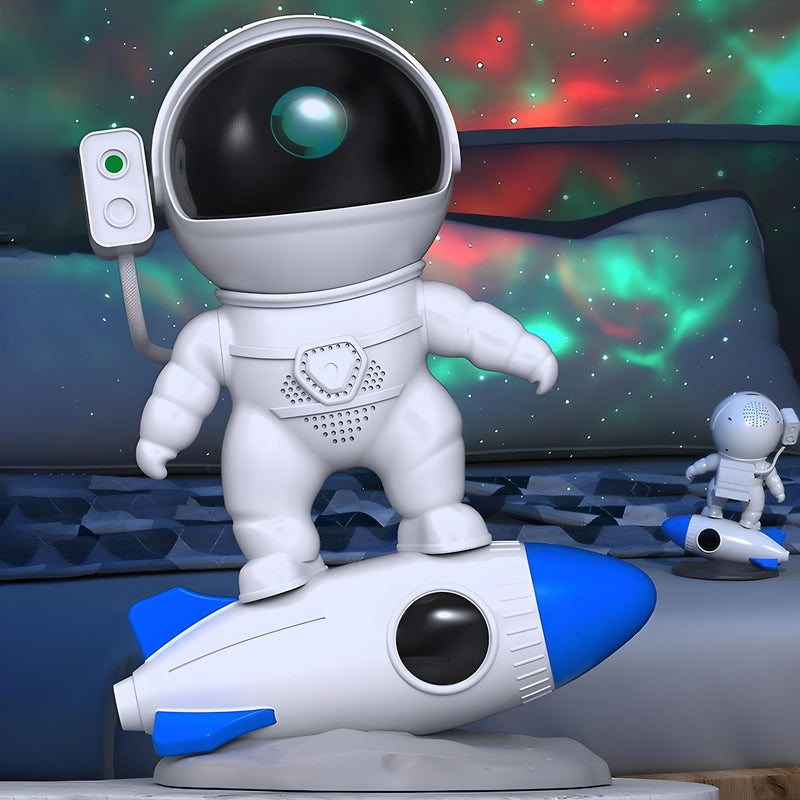
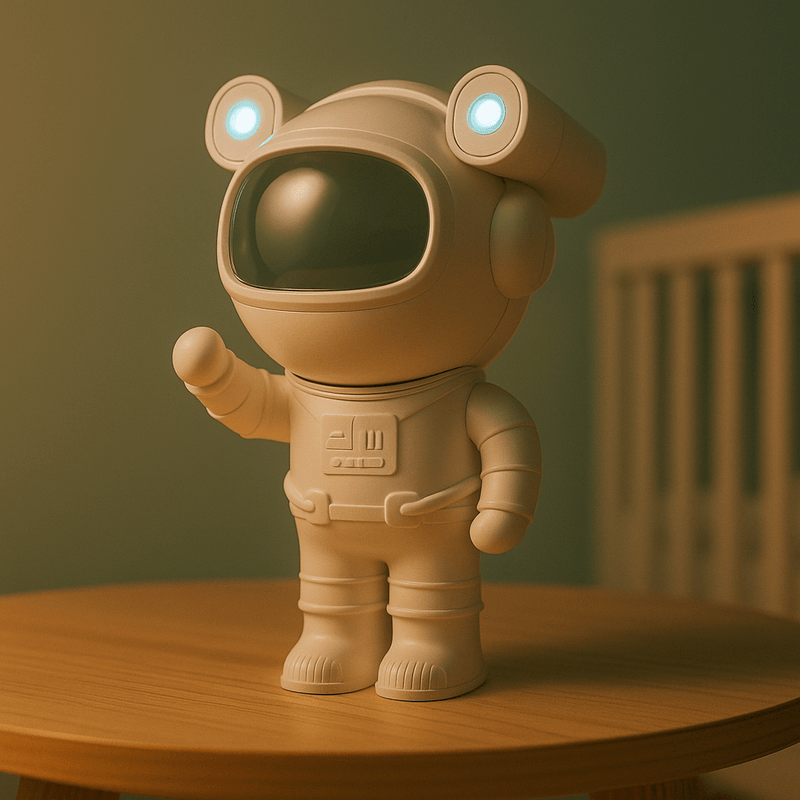
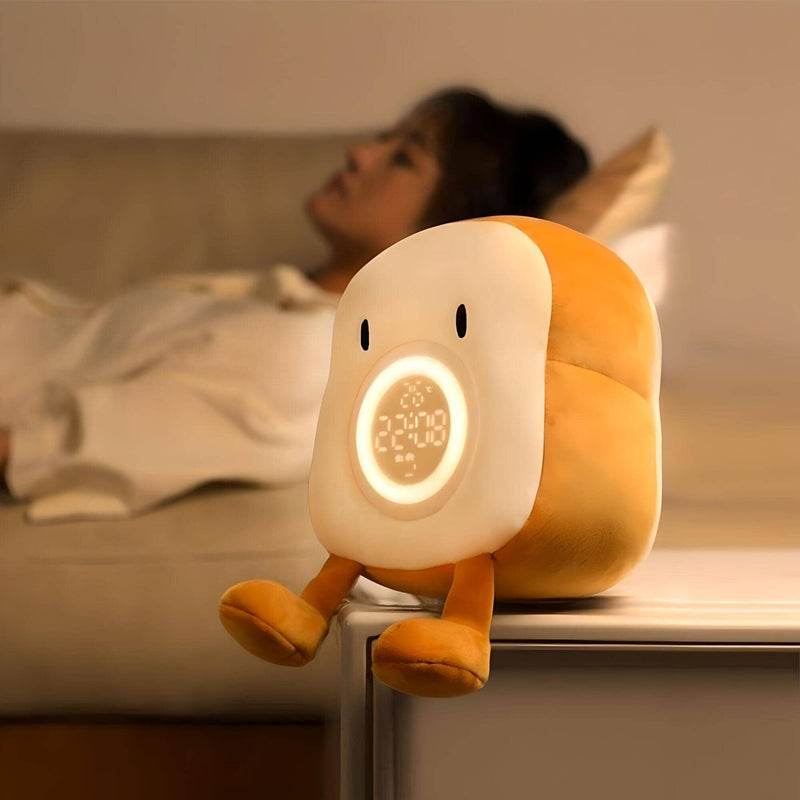
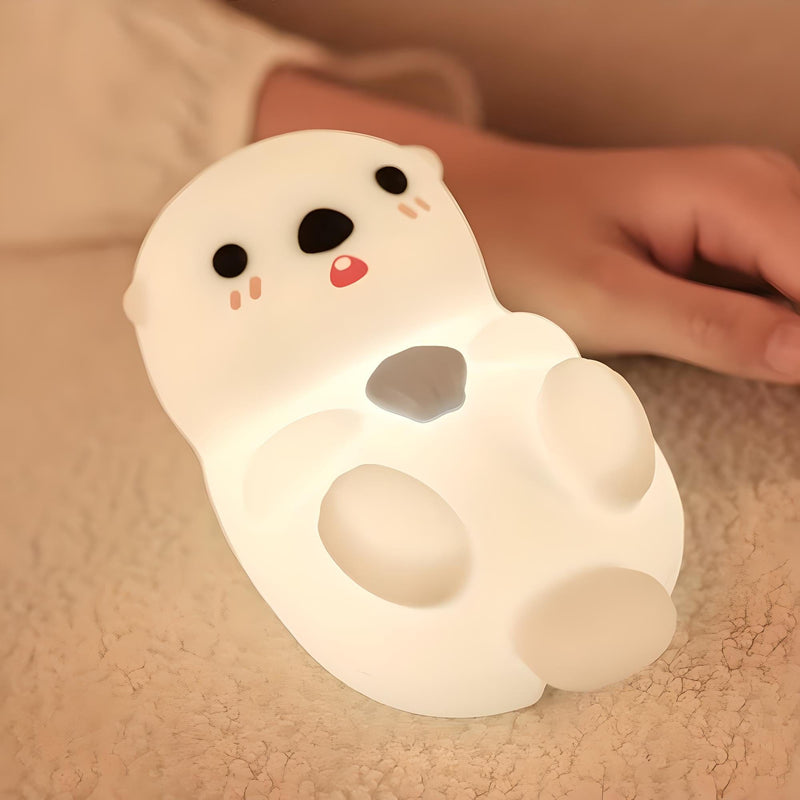
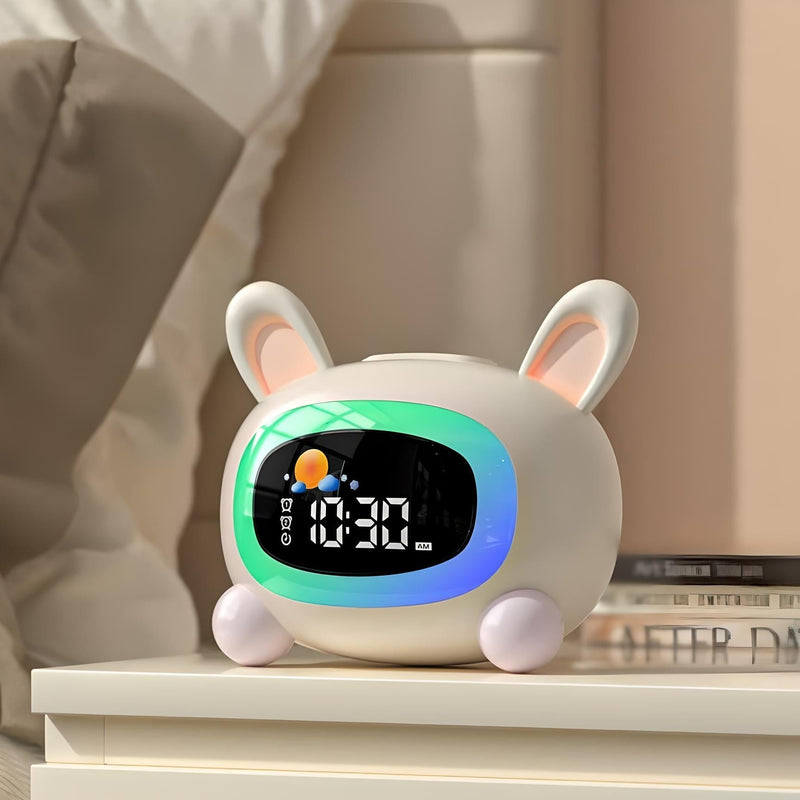
Choosing the right kids' night light means weighing up three key criteria: your child's age, the type of power that suits the bedroom, and the look that will reassure them at bedtime. A night light that is too bright disrupts melatonin production, and one that is badly placed lights the room poorly — every detail counts in turning the evening routine into a calm moment.
Needs change with age. A baby does not perceive darkness in the same way as a 6-year-old who can manage their own bedtime routine. Here are the pointers to remember for each age group.
| Age | Recommended type | Recommended brightness | Main use |
|---|---|---|---|
| 0–12 months | Fixed plug-in night light | Very low (5 to 10 lumens) | Night feeds and nappy changes |
| 2–3 years | Portable touch night light | Low (10 to 30 lumens) | Getting used to the dark, night-time fears |
| 4–6 years | Cordless rechargeable night light | Moderate (30 to 50 lumens) | Trips to the loo, bedtime routine |
| 7 years and over | Children's bedside lamp | Variable, up to 100 lumens | Bedtime reading, soft night-time light |
Before 12 months, the American Academy of Pediatrics recommends keeping the sleep environment as dark as possible. A night light is only useful for a baby once they start to show a fear of the dark, usually between 18 months and 2 years.
The technical format of a night light radically changes how it is used. A plug-in night light stays put and secure. A rechargeable night light follows your child everywhere. Here are the practical differences between the main formats.
The look of a night light plays a direct role in its emotional effect. A child who falls asleep with a familiar figure has a calmer bedtime than with a plain lamp. The main themes break down as follows:
Beyond decoration, a night light plays a measurable psychological role in how sleep develops. It works on three levers: emotional security, independence and the quality of the sleep-wake cycle.
Fear of the dark affects on average 7 out of 10 children between the ages of 2 and 6, according to figures commonly reported by paediatric sleep specialists. This fear is not a whim: it is a stage of cognitive development linked to a child's growing imagination. A suitable night light acts as a reassuring visual cue that:
A child who can switch their own night light on and off gains independence at bedtime. This is one of the big advantages of touch models, which are easy to use from age 2. Switching on the light becomes a clear signal of the transition from day to night, helping the brain prepare for sleep.
For children aged 4 and over, a portable rechargeable night light also lets them manage night-time trips to the loo or their parents' bedroom on their own — without having to switch on the hallway light, which is far too bright to let them settle back to sleep.
This is the most important technical point — and the one most often overlooked. Melatonin, the sleep hormone, starts to be suppressed as soon as light exceeds 50 lux at eye level. A poorly chosen night light can therefore worsen sleep quality instead of improving it.
| Light colour | Temperature (Kelvin) | Effect on sleep | Recommendation |
|---|---|---|---|
| Red / orange | 1,800–2,200 K | Protects melatonin | Ideal all night |
| Amber / soft yellow | 2,200–2,700 K | A very good balance of comfort and sleep | Recommended for ages 2–8 |
| Warm white | 2,700–3,000 K | Fine for the bedtime routine | Switch off once asleep |
| Cool white / blue | 4,000 K and above | Blocks melatonin production | Avoid at night |
The ideal for a kids' bedroom night light used all night remains an amber tone at 2,200–2,700 K, with a brightness below 30 lumens. For a child who is particularly sensitive to noise that keeps them awake, adding a white noise night light can complement the soothing effect of soft light.
 Free delivery from £55Across the whole range
 Dispatched within 1 to 2 working daysTracked delivery
 Easy returns within 30 daysTime to try it at home
 Reply within 24 hoursMonday to Friday
 Secure paymentCard, PayPal, Apple Pay, Shop Pay
