
Cart (0)
Your cart is empty
A plug-in night light just plugs in and asks for nothing more. No batteries to change, no cable to tidy away, for the hallway, the bathroom or the foot of the bed.

CE and RoHS compliant

Gentle light

LEDs that stay cool




 -21%
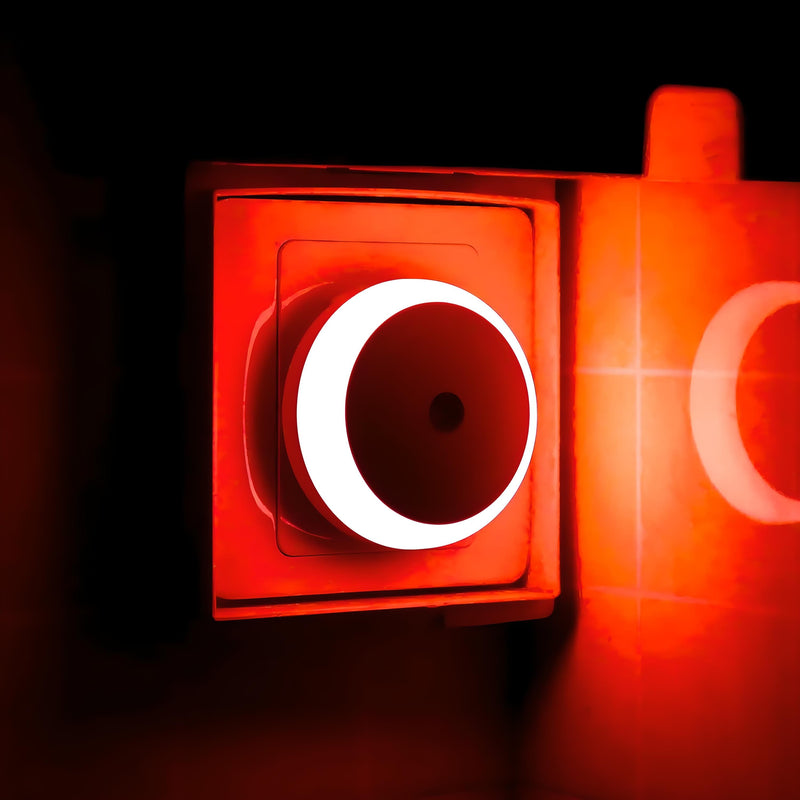
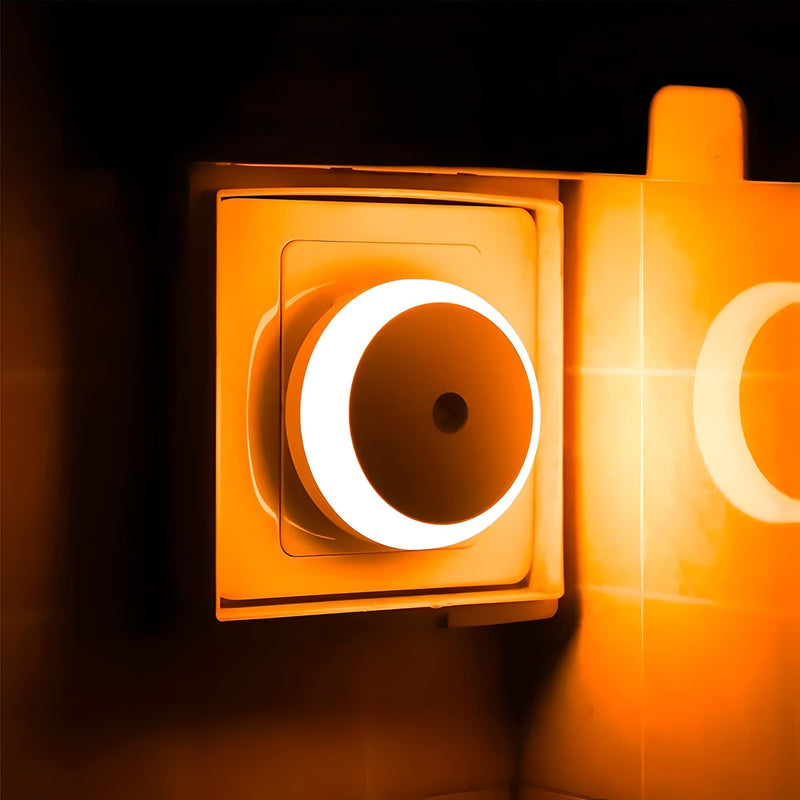
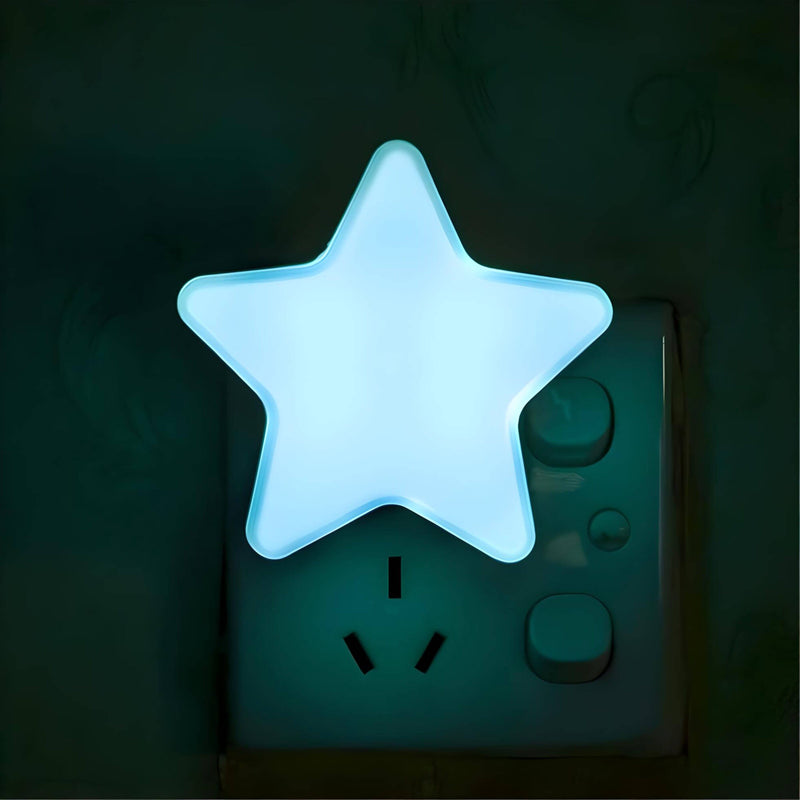
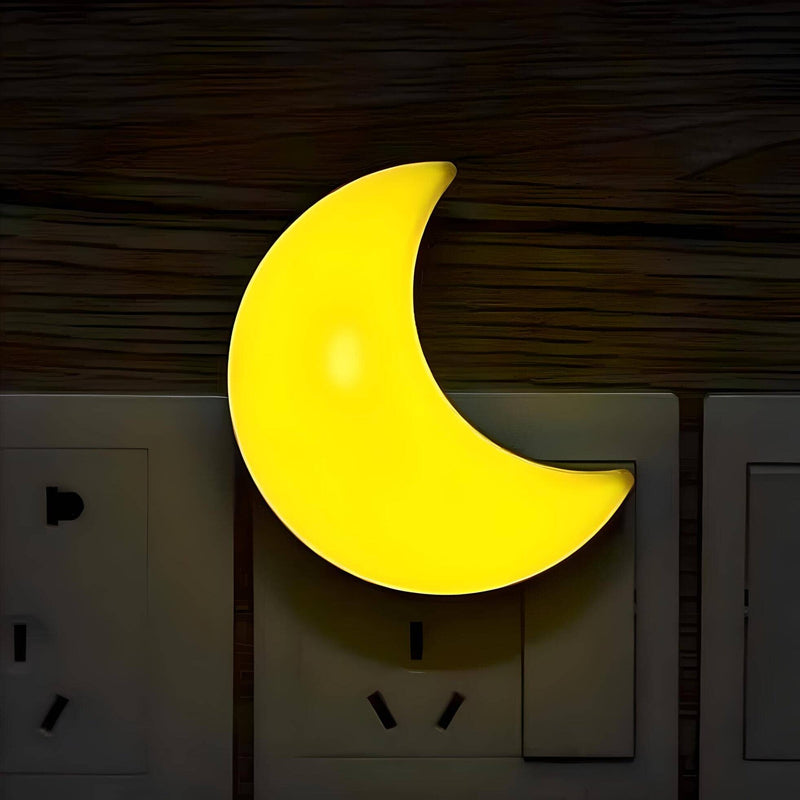
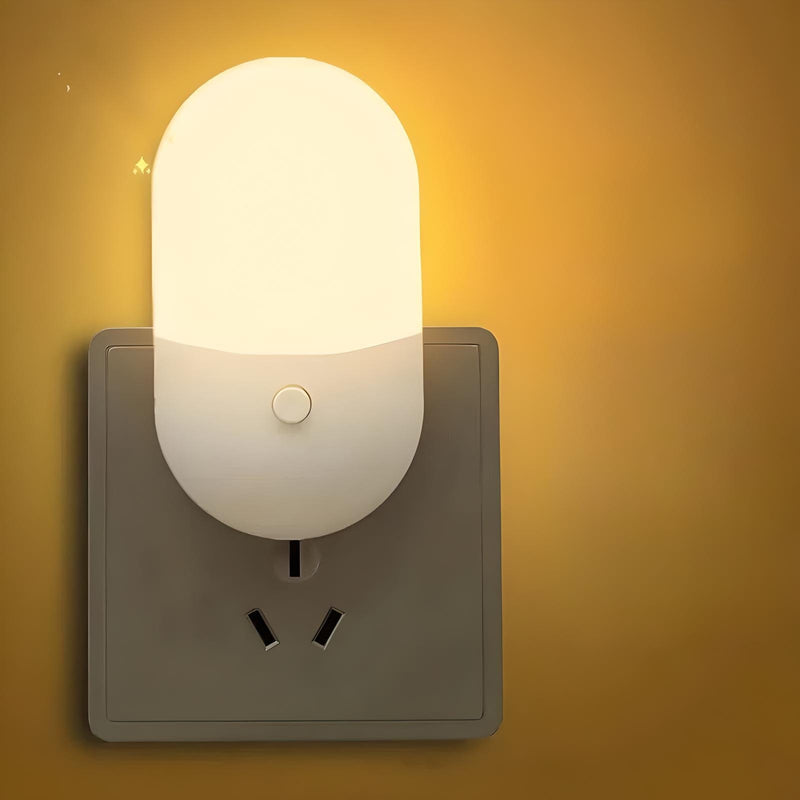
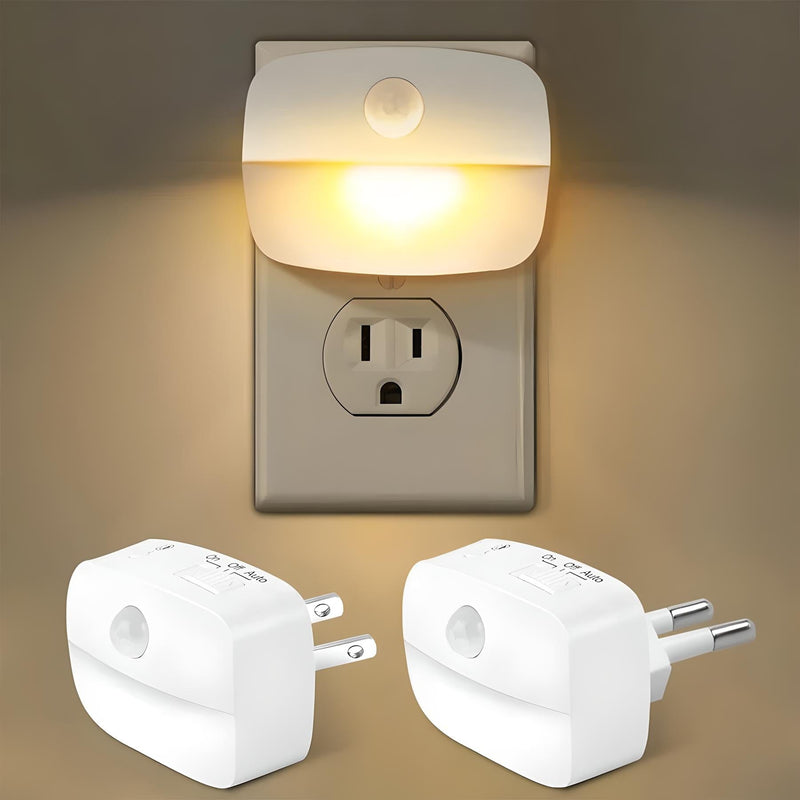
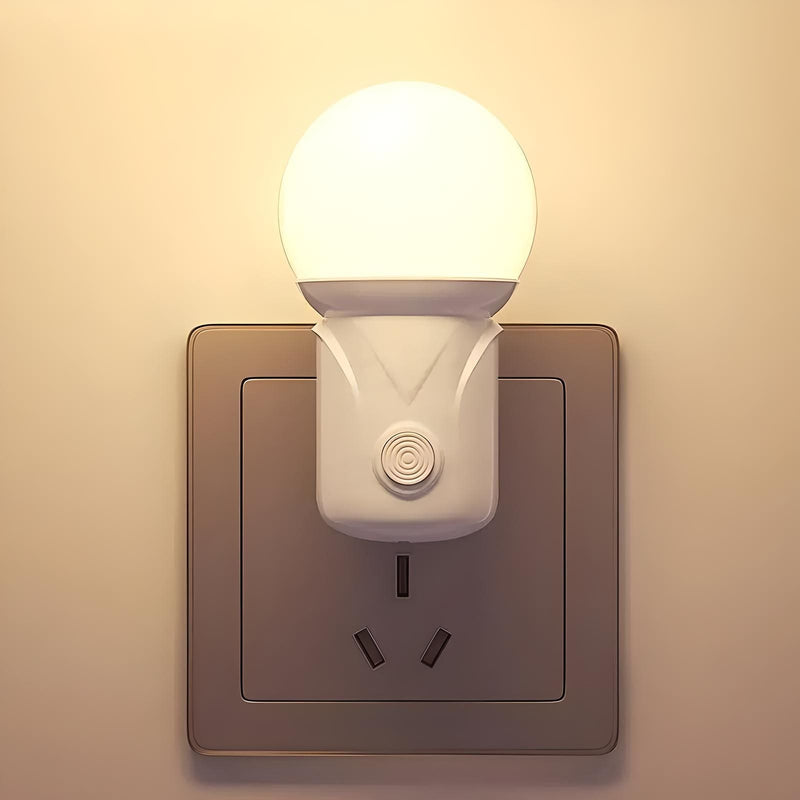
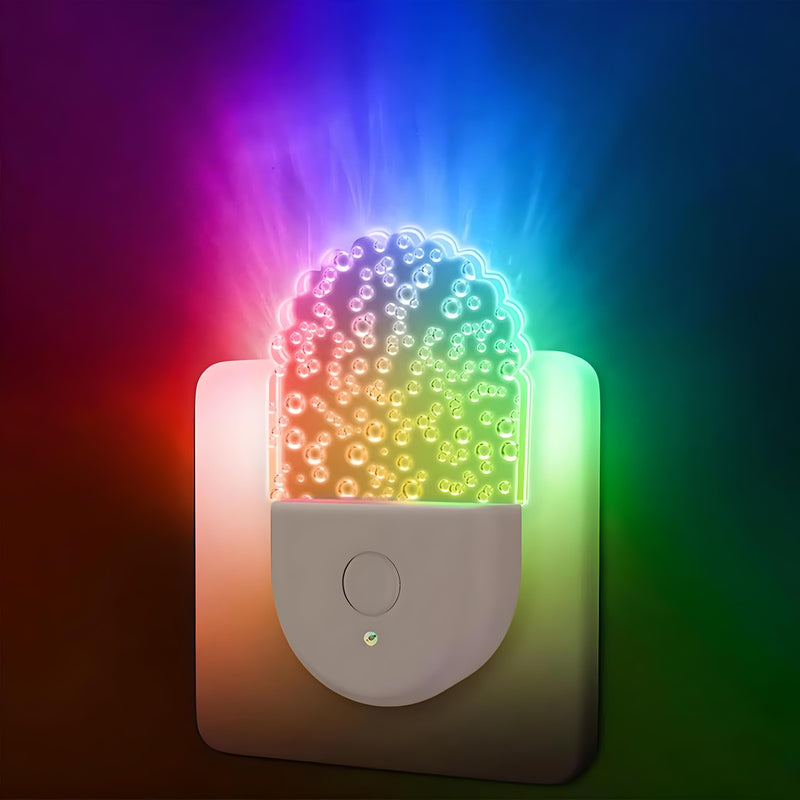
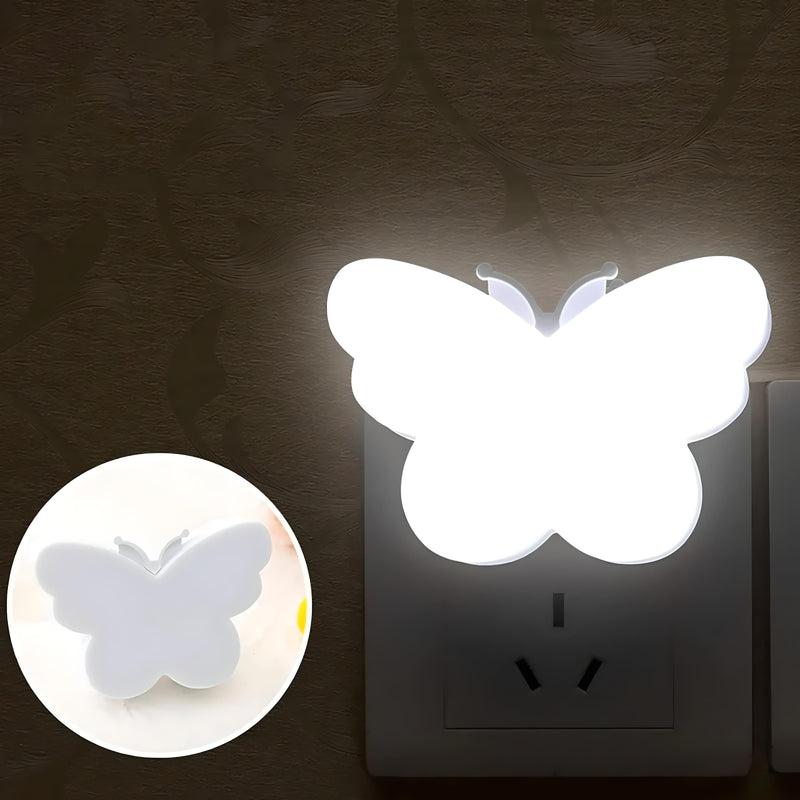
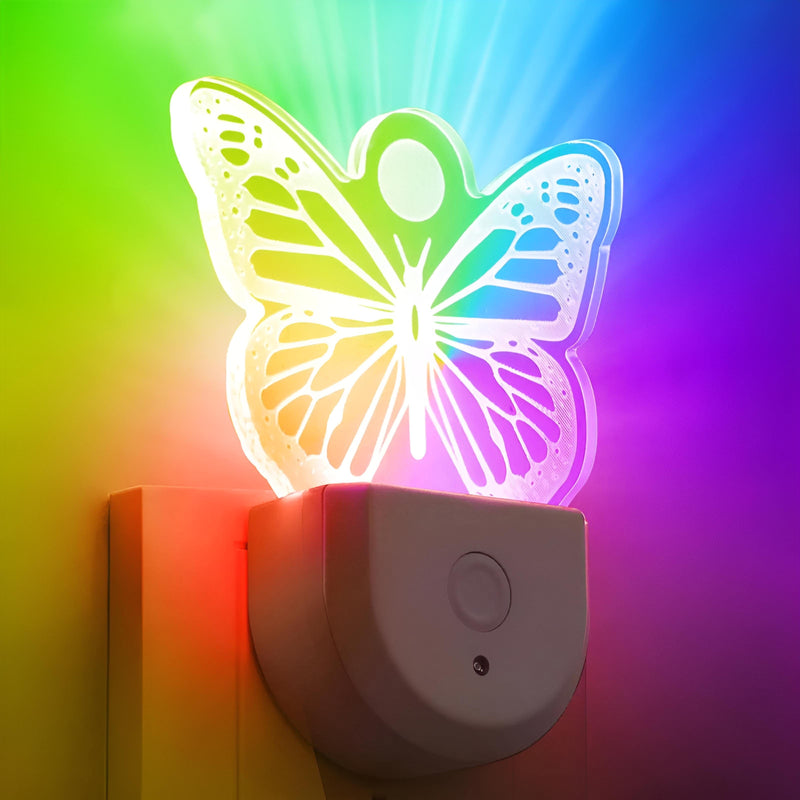
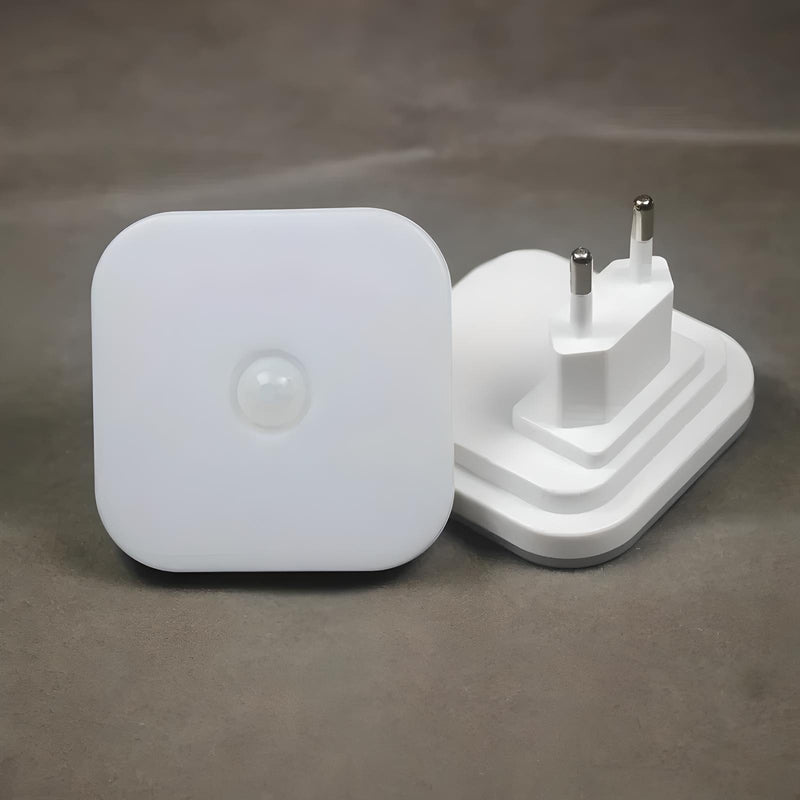
-21%A plug-in night light plugs straight into a standard UK socket and gives off a soft light without taking up floor space or needing batteries. It is the simplest way to make a hallway safer, reassure a child at night or make night-time trips easier — with no complicated installation or extra extension lead. Our selection covers baby, LED, motion sensor and design models to suit every room in the house.
A plug-in night light is a small light that plugs directly into a standard wall socket, with no visible cable or separate power supply. It runs continuously on mains power and uses on average between 0.3 and 1 watt — a negligible amount of electricity over a year of nightly use.
Unlike a lamp or a battery-powered night light, it stays in place and needs no maintenance. Its dimmed light is bright enough to find your way without waking the sleeper, which makes it particularly well suited to hallways and landings.
The main uses for a plug-in wall night light are:
A plug-in baby night light differs from a standard model in three key ways: a lower light output (between 5 and 30 lumens on average), a warm colour temperature below 3,000 kelvin, and compliance with CE electrical safety standards. These features avoid disturbing baby's sleep while still giving enough light for night feeds and nappy changes.
Warm orange light is strongly recommended up to age 3 because it does not inhibit the natural production of melatonin, the sleep hormone. Cool white light, on the other hand, should be avoided in a child's bedroom.
| Criterion | Recommendation for baby | Why |
|---|---|---|
| Light output | 5 to 30 lumens | Does not disturb sleep |
| Colour temperature | 2,200 to 3,000 K | Protects melatonin |
| Installation height | Out of reach (1.30 m minimum) | Prevents direct access |
| Standard | CE marked | Electrical safety assured |
| Material | BPA-free plastic | Withstands LED heat |
Our kids' night light collection brings together all the models specifically designed for babies' and young children's bedrooms.
A motion sensor is particularly handy for night feeds: the night light switches on automatically as you walk past and turns off after 30 to 60 seconds of inactivity. No more fumbling for the switch in the dark, and the light is kept to the bare minimum.
The sensor range is typically 3 to 5 metres depending on the model, with a detection angle of 90° to 120°. For a child's bedroom, choose a model with adjustable sensitivity to avoid false triggers caused by pets.
For the best set-up in a child's bedroom, keep the following recommendations in mind:
LED technology has gradually replaced old incandescent bulbs in all mains-powered night lights, and for good reason. An LED uses up to 10 times less energy than a standard bulb and has an average lifespan of 25,000 to 50,000 hours — more than 15 years of nightly use.
In practice, a 0.5 W LED night light left on for 10 hours a night uses 1.8 kWh a year — a negligible amount on your annual bill. By comparison, an equivalent halogen night light would use around ten times as much.
| Technology | Power | Lifespan | Annual consumption* |
|---|---|---|---|
| LED | 0.3 to 1 W | 25,000 to 50,000 h | 1.1 to 3.7 kWh |
| Halogen | 5 to 7 W | 2,000 to 4,000 h | 18 to 26 kWh |
| Incandescent | 7 to 15 W | 1,000 to 2,000 h | 26 to 55 kWh |
*Estimate based on 10 hours of use per night.
Beyond the savings, LEDs barely heat up: the surface temperature of an LED night light generally stays below 35 °C even after several hours of use. That is a decisive safety advantage in a child's bedroom or near curtains.
A motion sensor night light has a passive infrared (PIR) sensor that detects body heat within a set range. As soon as someone is detected, the light switches on automatically and turns off after a programmed delay.
This type of night light is useful in several areas of the home:
Most models combine a motion sensor with a light sensor: the night light only comes on when there is no daylight, which avoids pointless switching on during the day. The delay is usually adjustable between 15 seconds and 2 minutes depending on the model.
Choosing a night light that plugs into a wall socket comes down to five main criteria. Depending on how you will use it (bedroom, hallway, bathroom) and your preferences (brightness, features), some criteria will matter more than others.
| Criterion | Recommended range | For what use |
|---|---|---|
| Brightness | 5 to 100 lumens | Low: bedroom — High: hallway |
| Power consumption | 0.3 to 1 W | Choose LED |
| Colour temperature | 2,200 to 6,500 K | Warm: sleep — Cool: finding your way |
| Dusk sensor | Recommended | Switches on automatically at nightfall |
| Size | Less than 5 cm deep | Keeps other sockets usable |
| Design | Depending on the room | Animal, geometric, projector |
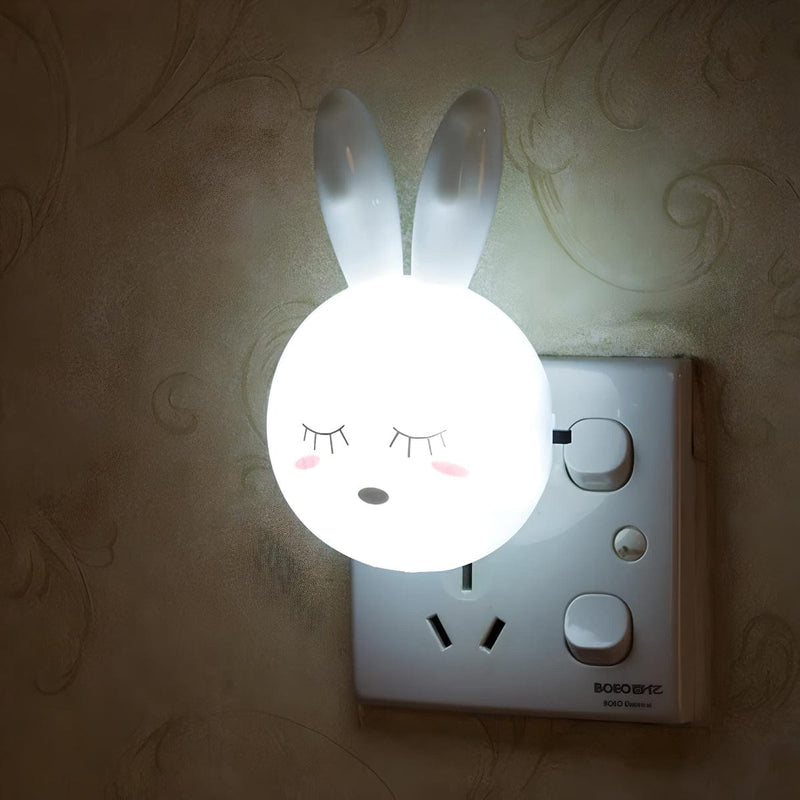
For children's bedrooms, playful animal-shaped models are especially popular. Our selection of animal night lights offers designs that turn the night light into a real glowing comforter.
The choice between a mains-powered and a battery-powered night light mainly depends on how portable you want it to be and how long you use it each day:
For everyday use in a dedicated room, a plug-in night light remains the most economical and reliable solution in the long run.
A USB night light plugs into a USB port (charger, computer, power bank), whereas a wall-socket night light runs directly on 230 V mains power. Both are valid options but suit different uses.
A plug-in wall night light is the better choice for a permanent set-up: it does not tie up a USB port you might need to charge a phone. A USB night light is more versatile and better for use on the go — at a desk, in the car, or on a bedside table with a charging station.
 Free delivery from £55Across the whole range
 Dispatched within 1 to 2 working daysTracked delivery
 Easy returns within 30 daysTime to try it at home
 Reply within 24 hoursMonday to Friday
 Secure paymentCard, PayPal, Apple Pay, Shop Pay
