
Cart (0)
Your cart is empty
An adult night light, with no childish designs. Enough to read in bed, get up at night without switching on the main light, or fall asleep without the cold white glare of a bedside lamp.

CE and RoHS compliant

Gentle light

LEDs that stay cool
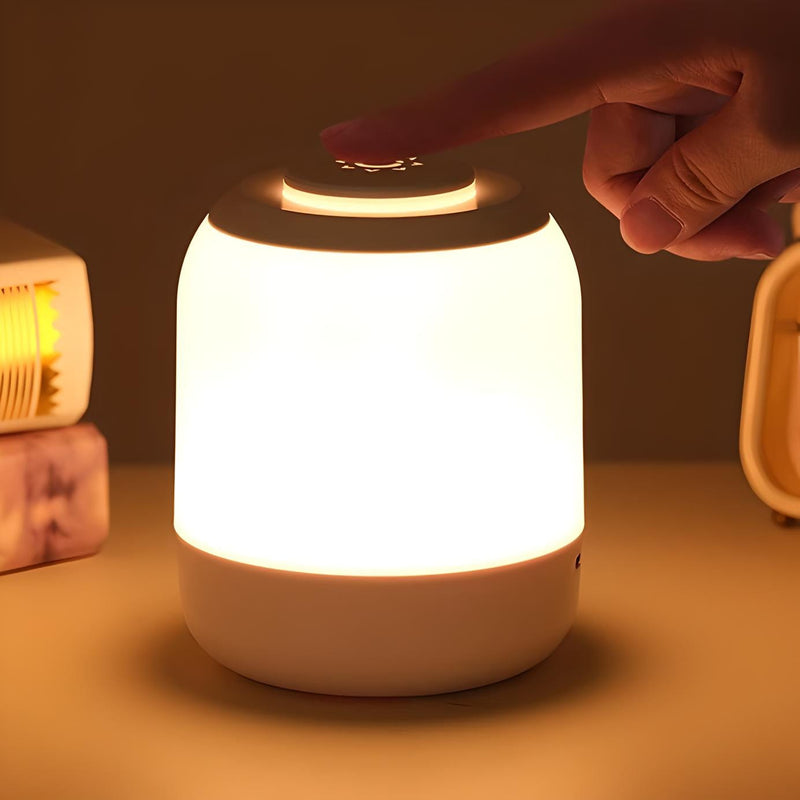
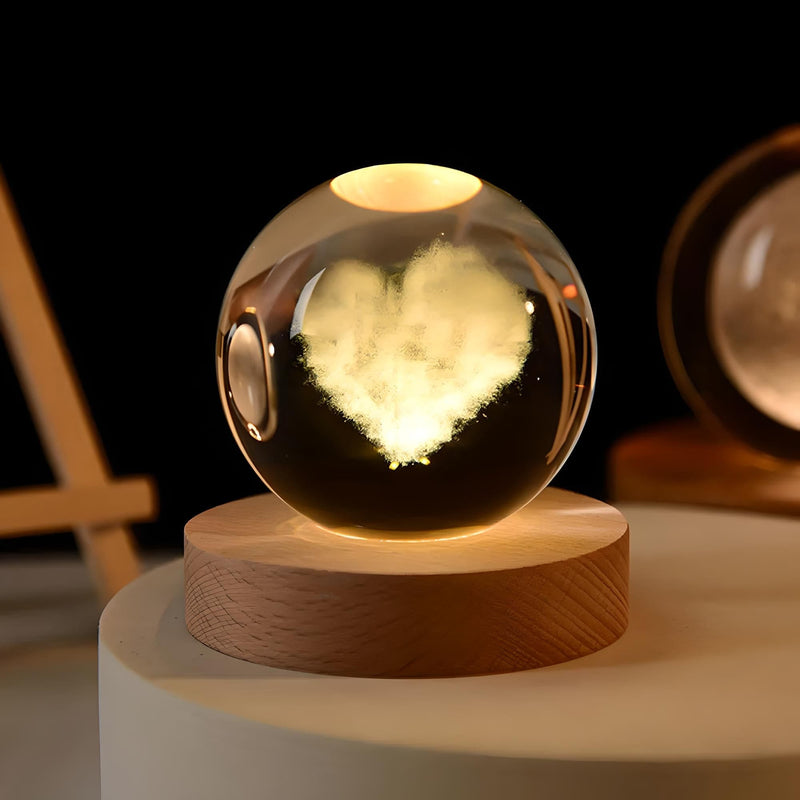
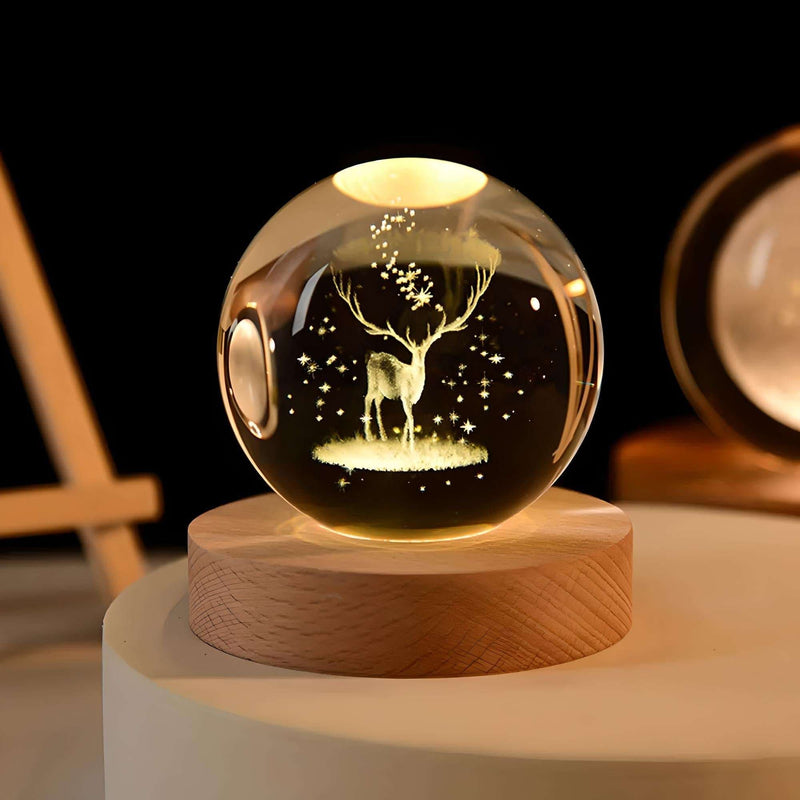
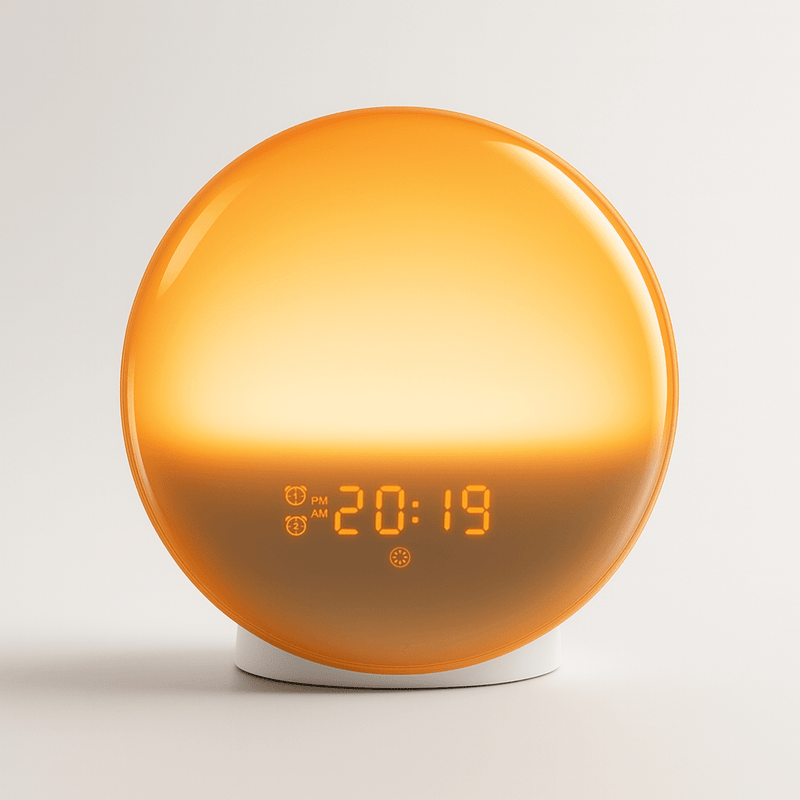
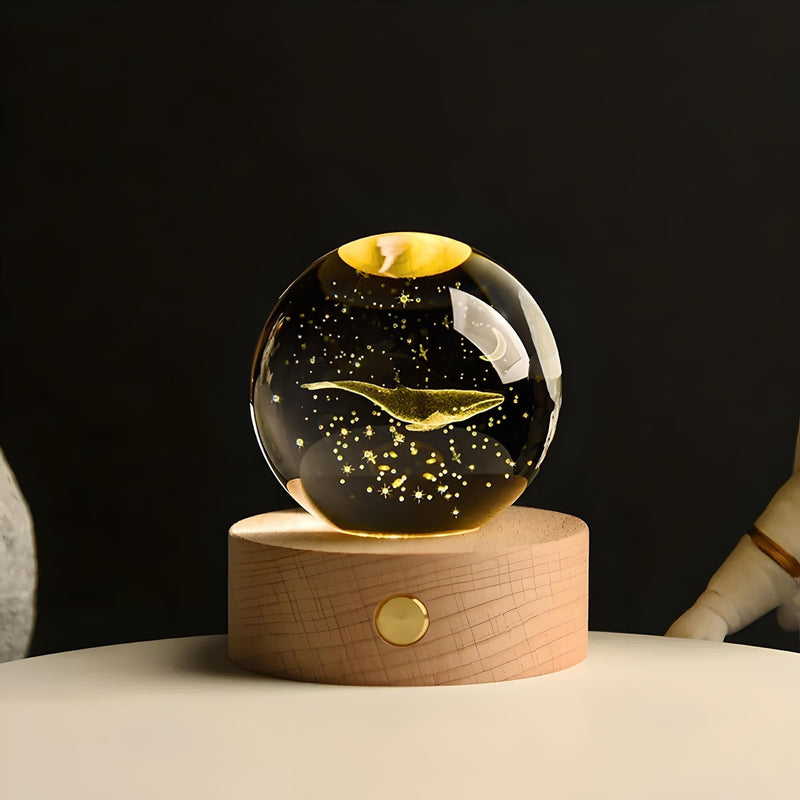
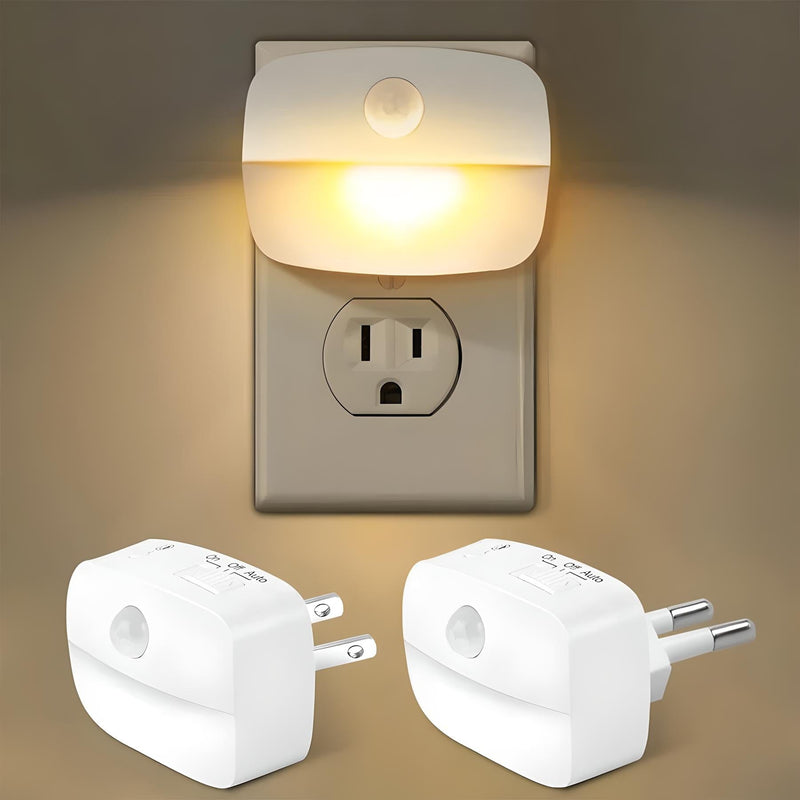
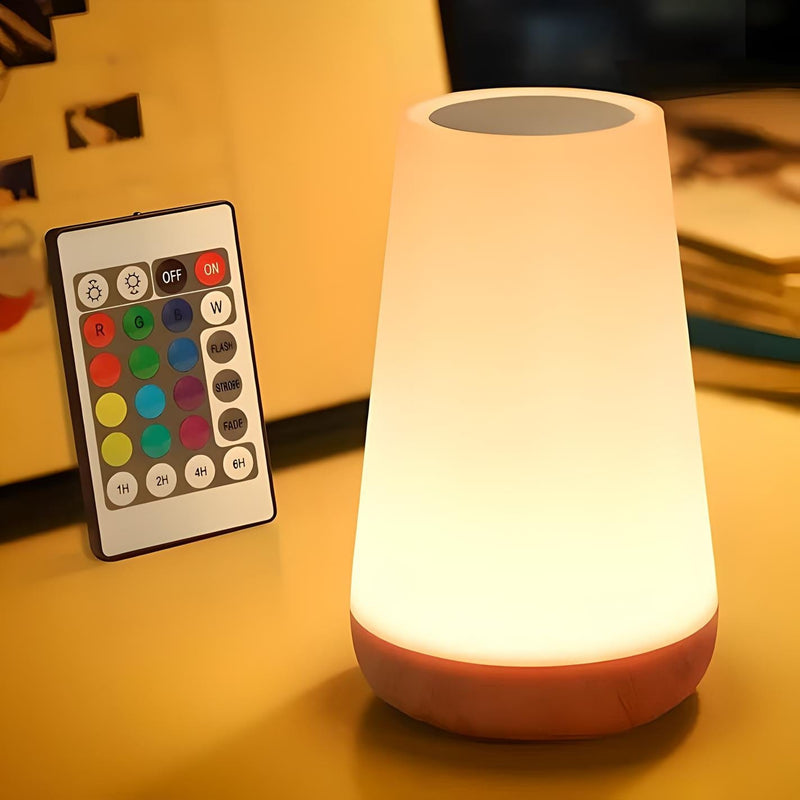
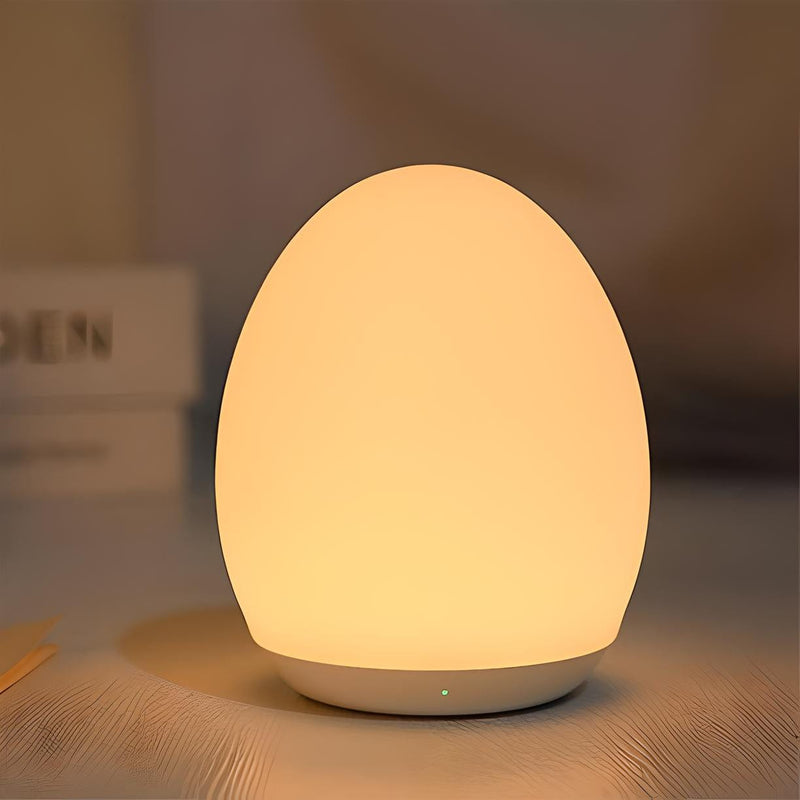
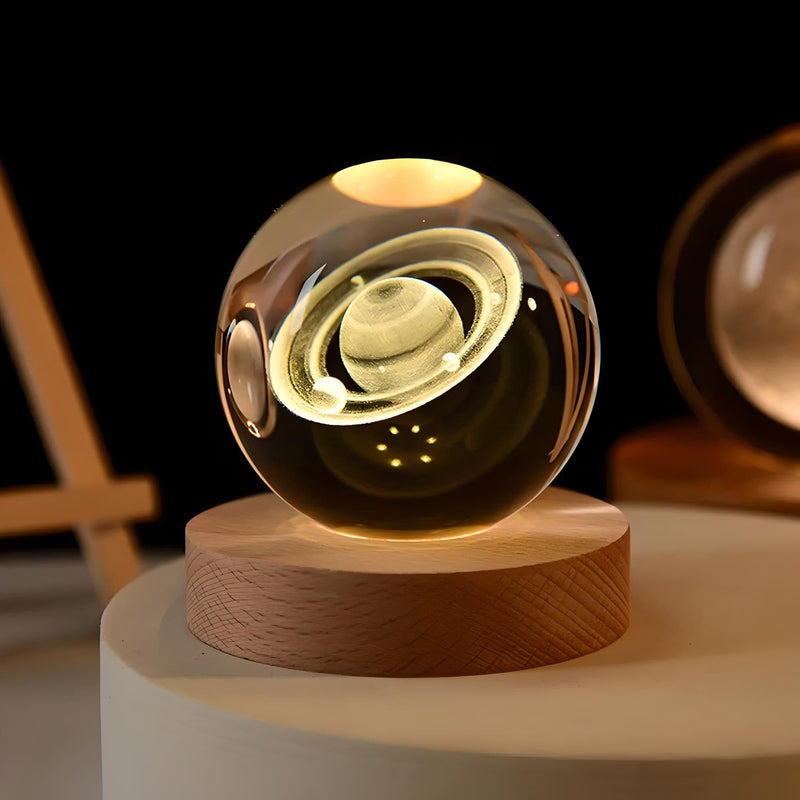
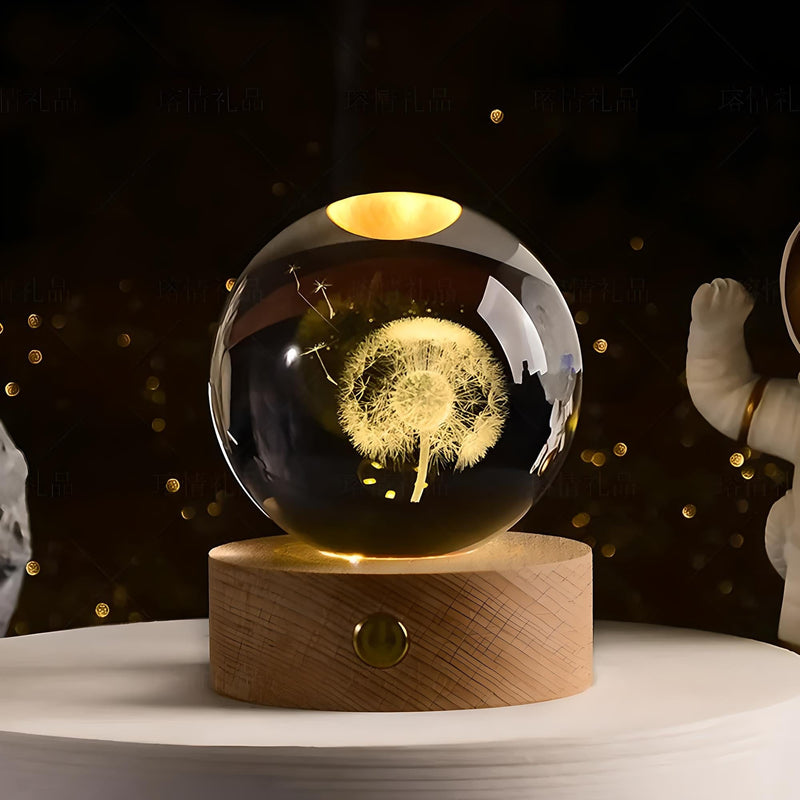
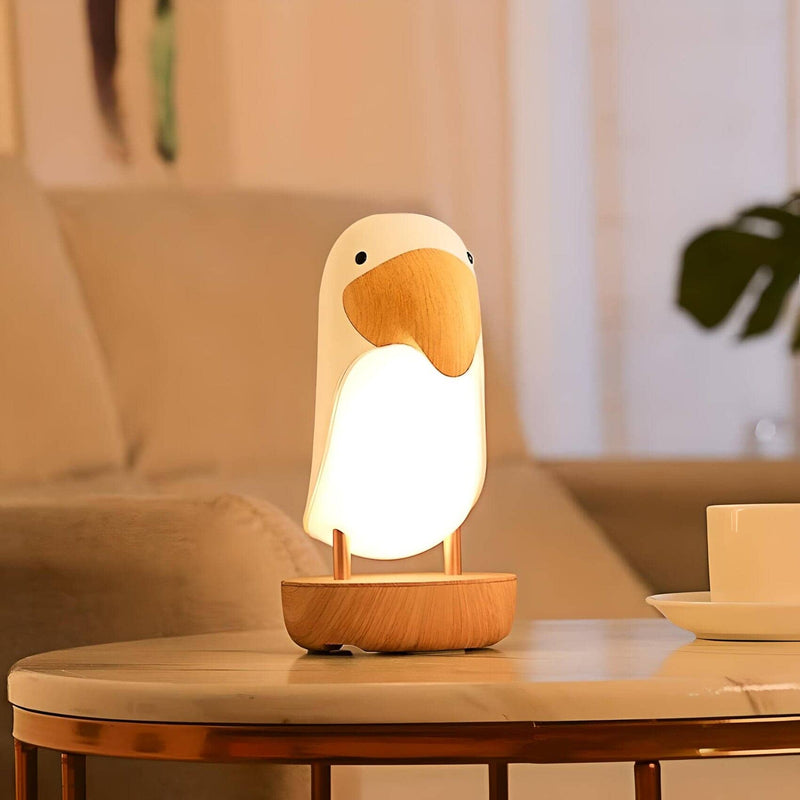
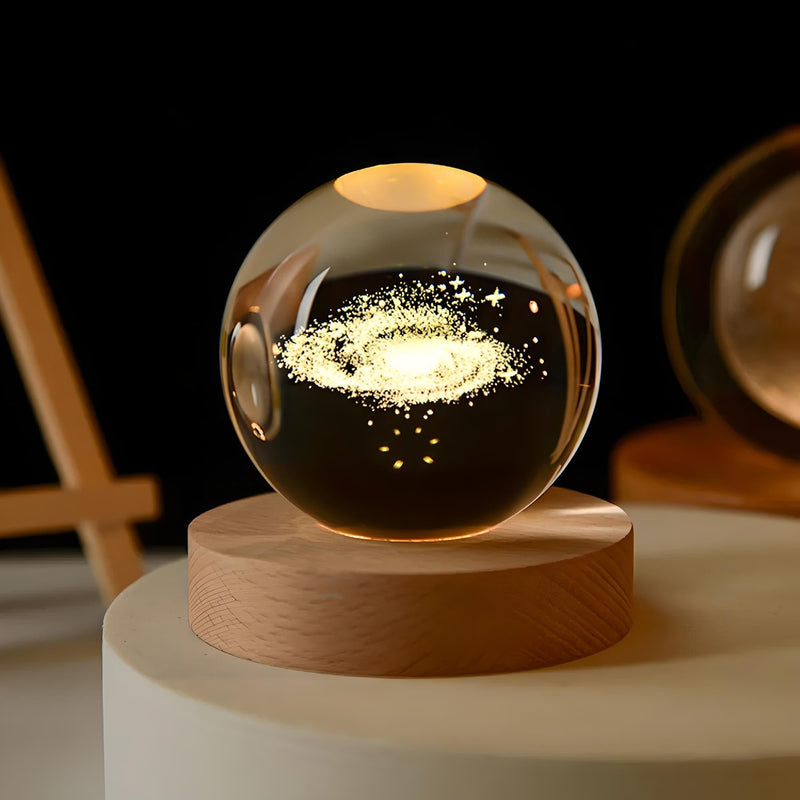
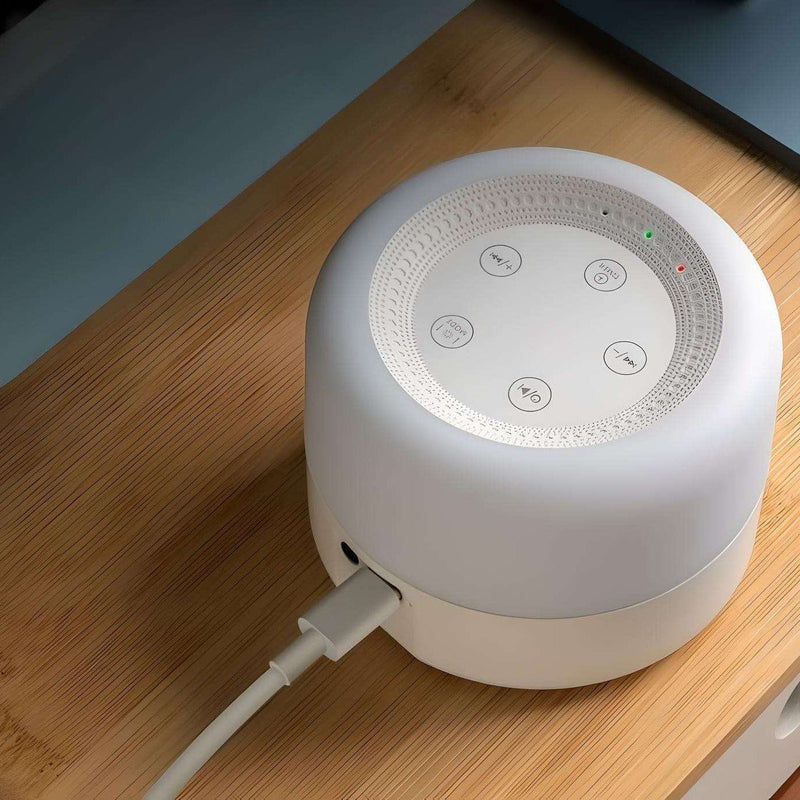

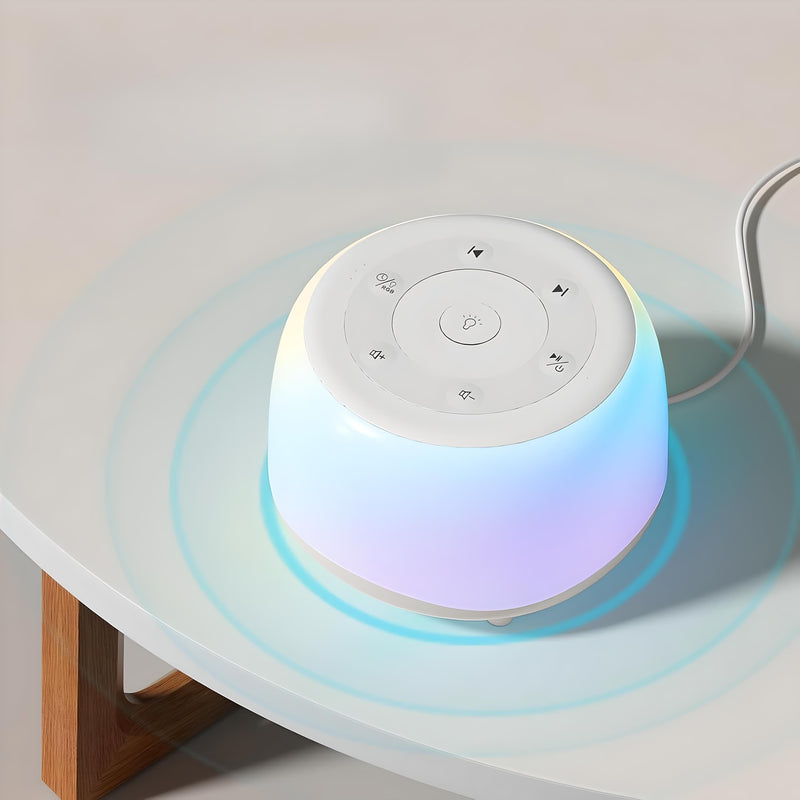
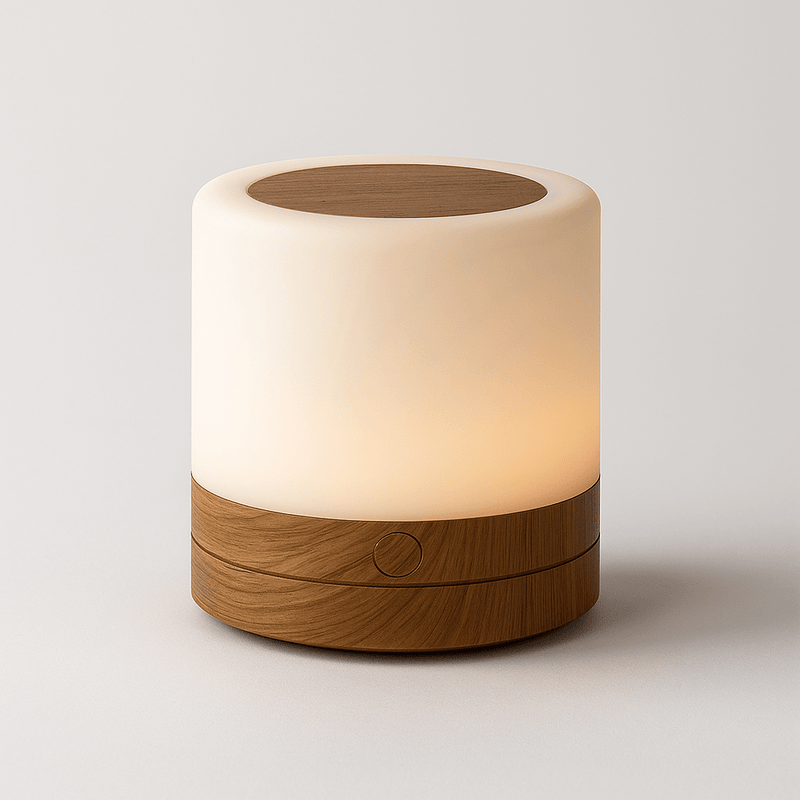
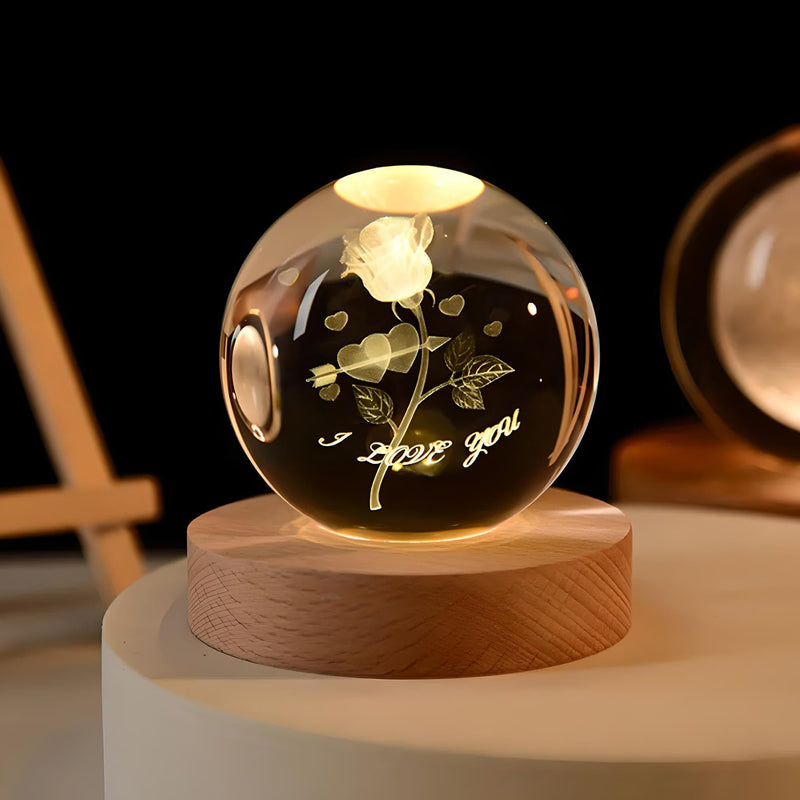

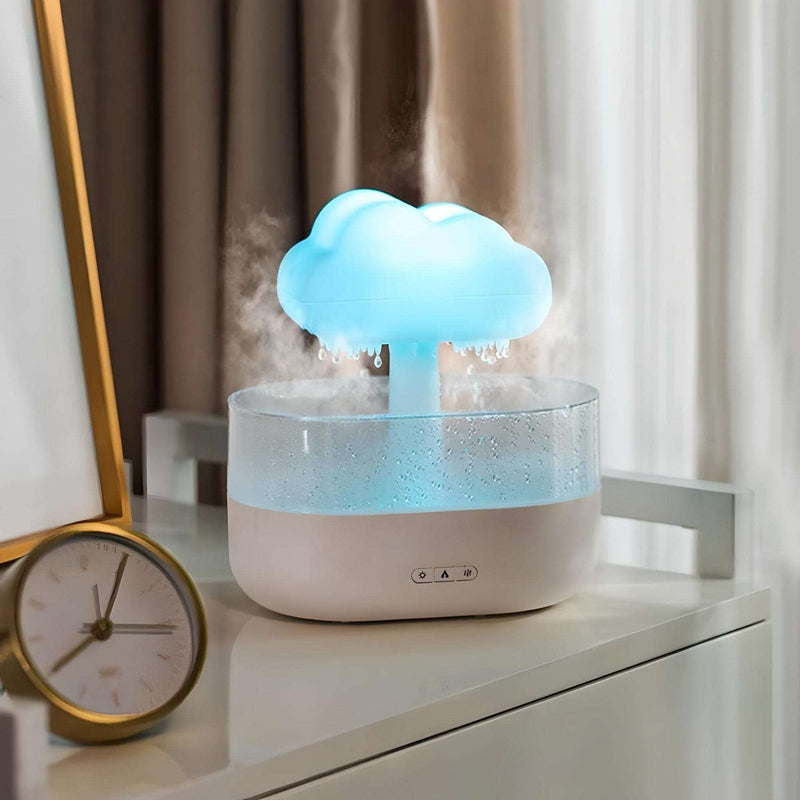
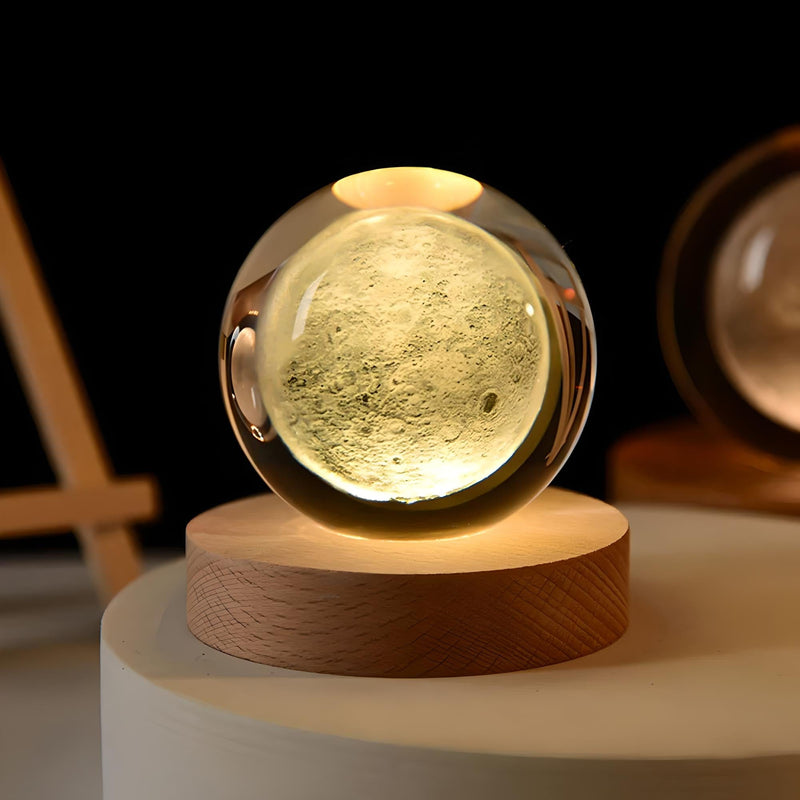

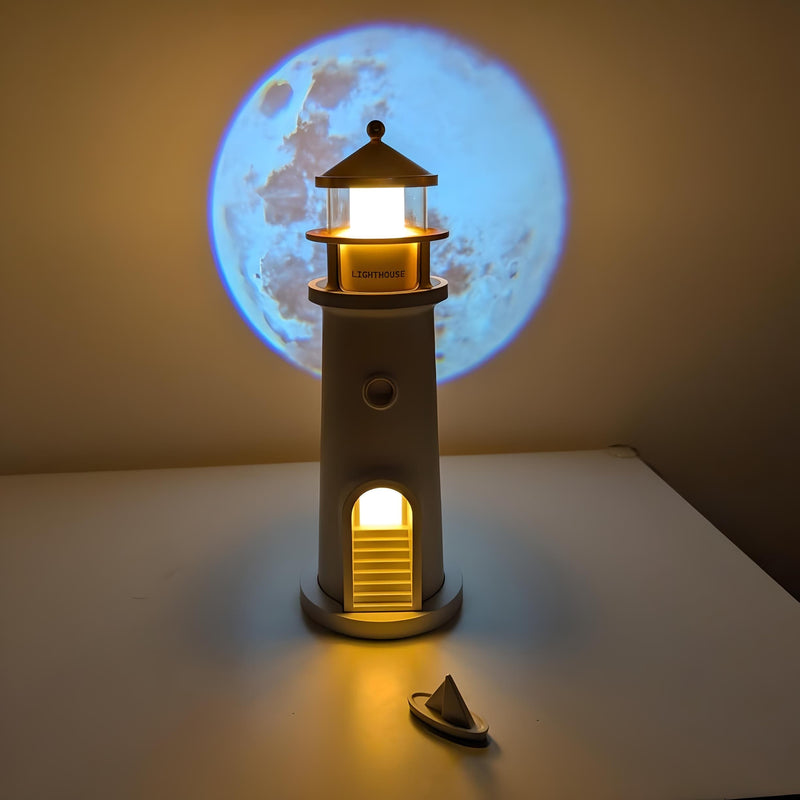
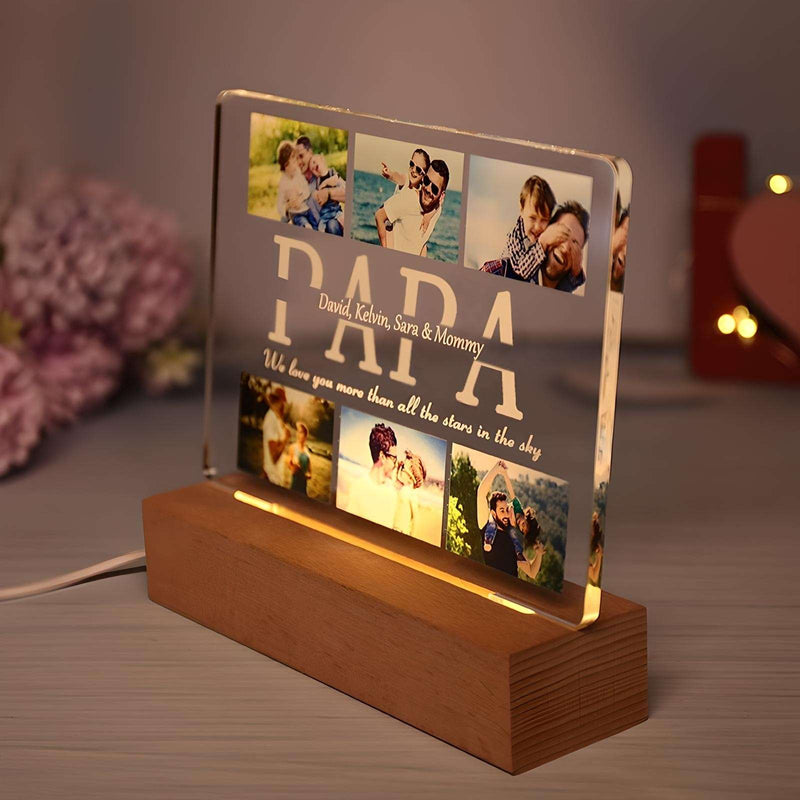

An adult night light is no longer just for children's bedrooms. It meets real needs: helping you fall asleep, making night-time trips safer and creating a restful atmosphere without dazzling eyes that have adjusted to the dark.
A soft light of less than 10 lux at night doesn't disrupt melatonin release, unlike a standard bedside lamp, which often exceeds 200 lux. That difference in brightness is what changes everything for sleep quality.
The benefits reported by regular users of an adult night lamp break down as follows:
Choosing the colour temperature remains the most decisive factor for protecting sleep. A light between 1,800 K and 2,200 K (amber tones) recreates the warmth of a candle and sends no wake-up signal to the brain, whereas light at 4,000 K or above boosts alertness.
Not all night lights are equal, and the right design depends on your main use: sleep, getting around at night, ambience or wellbeing. Here are the five main families you'll find in a collection suited to the whole family.
This is the most common format for an adult bedroom night light. Placed on the bedside table, it gives a steady light with a touch dimmer or remote control to adjust brightness from 5% to 100%.
A cordless rechargeable night light has an 800 to 2,000 mAh lithium-ion battery, giving 6 to 30 hours of use depending on the mode. It moves from room to room and recharges via USB-C in 2 to 4 hours.
The projector turns the ceiling into a night sky using RGB LEDs and a green or red laser. High-end designs cover an area of up to 200 m² with automatic 360° rotation.
This format combines soft lighting with ultrasonic diffusion. The 100 to 500 ml tank gives 4 to 10 hours of continuous diffusion, with a light that changes colour in "mood" mode or stays steady in night mode.
A sunrise simulator recreates daybreak by gradually increasing the brightness over 20 to 40 minutes, from 0 to 300 lux. Sunset mode does the reverse to prepare you for sleep.
The right design depends on your main use. Before you buy, six technical criteria make the difference between a night light that ends up in a drawer and one you can't do without.
| Criterion | Recommendation | Avoid |
|---|---|---|
| Brightness | 5 to 30 lux at night | More than 50 lux continuously |
| Colour temperature | 1,800 to 2,700 K | Above 3,500 K |
| Built-in timer | 15, 30 or 60 minutes | No automatic shut-off |
| Power supply | USB-C or 1,500 mAh+ battery | Disposable AAA batteries |
| Controls | Touch or remote control | Stiff push button |
| LED lifespan | 25,000 to 50,000 hours | Less than 10,000 hours |
Brightness is the criterion most buyers underestimate. A night light that shines too brightly becomes a mini bedside lamp and loses its value for sleep. Always choose a design with a dimmer, even if it costs slightly more — it's the feature you'll use every night.
A night light for elderly people meets a specific need: making night-time movement safer to reduce the risk of falls, the leading cause of hospital admission after 65. According to France's national public health agency, more than 80% of falls at home among older people happen at night or in the early morning.
Four features are worth prioritising for this type of user:
The recommended set-up: a motion-sensor night light in the hallway between the bedroom and bathroom, 30 to 40 cm above the floor, and a second one right next to the bed on the side you usually get out.
The colour of light acts directly on the circadian rhythm. Not all wavelengths have the same impact on melatonin production, which explains why some people sleep badly with a night light that is too white without realising why.
| Colour | Effect on sleep | Recommended use |
|---|---|---|
| Red / amber (1,800 K) | No impact on melatonin | All night |
| Very warm white (2,200 K) | Very low impact | Falling asleep and through the night |
| Warm white (2,700 K) | Moderate impact | Evening reading |
| Neutral white (4,000 K) | Reduces melatonin by 20 to 30% | Avoid in the evening |
| Blue (6,500 K) | Reduces it by up to 50% | Never in the bedroom |
Red light is physiologically the kindest to sleep. Its wavelength (between 620 and 750 nm) doesn't stimulate the retinal ganglion cells responsible for circadian regulation. That's why pilots and military personnel use red lighting to preserve their night vision and body clock.
For most users, an effective compromise is to choose a multi-mode night light with an amber setting at 1,800–2,000 K for the night and a warm white mode at 2,700 K for reading in the early evening.
Our catalogue brings together designs tested for durability, silent operation and light quality. Each adult night light meets a specific need, from a compact bedside design to a mood projector for spacious bedrooms.
The user profiles most represented in our selection:
Filter by power source, light colour or feature (timer, remote control, projector) to find the design that matches exactly how you'll use it. Product pages give exact dimensions, measured battery life and actual power consumption.
 Free delivery from £55Across the whole range
 Dispatched within 1 to 2 working daysTracked delivery
 Easy returns within 30 daysTime to try it at home
 Reply within 24 hoursMonday to Friday
 Secure paymentCard, PayPal, Apple Pay, Shop Pay
